

Kenyan among 100 women honoured by FAO for driving change across agri-food systems
Zipporah Nyaguthii Gitonga. PHOTO/FAO
By SPECIAL CORRESPONDENT
Kenya’s Zipporah Nyaguthii Gitonga was among 100 Women Heroes in Agrifood Systems and Rural Development, honoured by the Food and Agriculture Organization of the United Nations (FAO) today.
Zipporah is a Kenyan agribusiness leader and advocate for inclusive agricultural transformation whose work has helped strengthen access to finance, technology, inputs, and markets for smallholder farmers.
Through her leadership within the Mazao Group of Companies, she has supported the development of integrated agricultural services, including quality seedling production, farmer financing, digital input marketplaces, and knowledge-sharing platforms that improve farm productivity and resilience.
Combining practical agribusiness experience with research and policy engagement, she has championed innovative financing solutions, financial literacy, and sustainable investment in agriculture.
Her efforts to connect farmers with the resources and opportunities needed to thrive have made her a leading voice for rural development, women’s leadership, and sustainable agri-food systems in Kenya.
FAO) recognizing women from around the world whose work is making a difference across agri-food systems and rural communities. The initiative was launched by FAO to mark the International Year of the Woman Farmer 2026.
The event also coincides with the International Day of Rural Women celebrated annually on 15 October, to recognize the critical role and contribution of rural women in agriculture and rural development, food security and the eradication of rural poverty.
Opening the presentation ceremony at FAO headquarters in Rome, Director-General QU Dongyu paid tribute to the women being recognized and recalled the influence of his own grandmother, who raised him in a small village in China and taught him how to farm and cook, as well as the value of hard work, resilience and respect for the land.
Reflecting on the knowledge passed down through generations, QU said: “Everything I learned from her, she learned from the generations of women who came before her. And that is how knowledge changes the world.”
He then turned to the women honoured at the ceremony, highlighting their contributions as farmers, entrepreneurs, researchers, educators and community leaders working to protect biodiversity, create opportunities, advance innovation, share knowledge and strengthen resilience to hunger, poverty and climate change.
“Across villages and cities, mountains and coastlines, forests and fields, you are doing extraordinary things,” QU said.
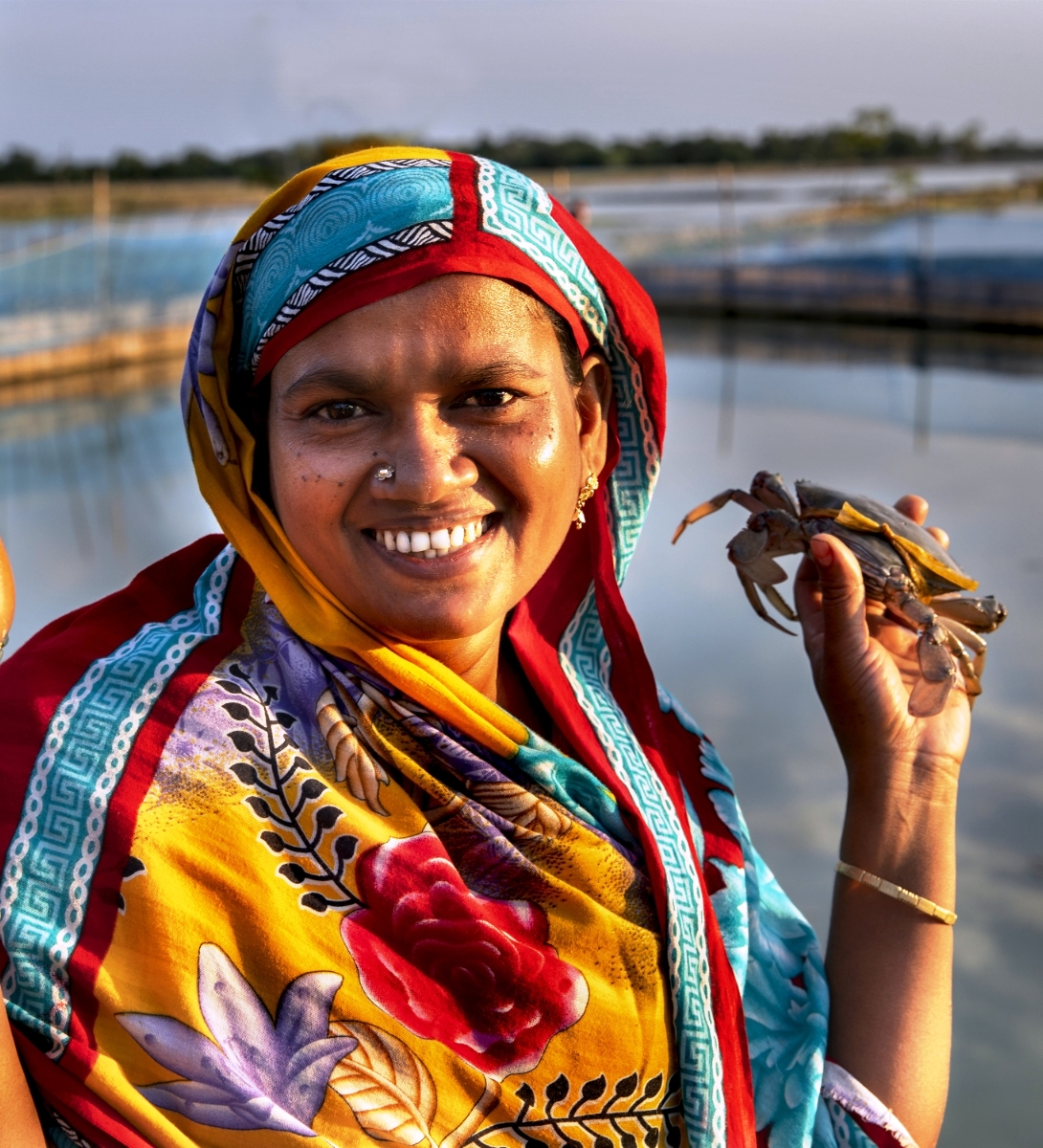
The women selected come from different regions, professions and backgrounds, reflecting the many roles women play throughout agri-food systems. PHOTO/FAO
FAO had announced 99 of the Women Heroes in the days leading up to the ceremony. During the event in Rome, the Organization revealed Yin Yuzhen of China as the 100th honouree, completing the group of women recognized for their contributions to agrifood systems and rural development.
Yin Yuzhen was recognized for her decades-long work to restore degraded land in China’s Mu Us Sandy Land. What began with planting trees in an area threatened by desertification has contributed to the restoration of nearly 5,000 hectares around her home and the planting of more than eight million trees across the area, helping support agriculture, livelihoods and local communities.
The selection process was designed to ensure broad participation by FAO Members, geographical balance and transparency.
FAO received 609 nominations from 131 Members following a call for submissions shared across the Organization’s membership. The number of nominations allowed from each country was determined according to population size.
All nominations were first screened against the submission requirements and country quotas. Eligible candidates were then assessed and ranked by FAO senior management.
Shortlisted candidates went through two further rounds of deliberations by senior leadership to assess the overall quality, balance and representativeness of the group. The final list of 100 women was then approved by FAO’s Senior Leadership Committee.
The women selected come from different regions, professions and backgrounds, reflecting the many roles women play throughout agri-food systems — from producing food and protecting natural resources to advancing science, running businesses, preserving knowledge and supporting rural communities.
The ceremony was held as part of the World Food Forum 2026 at FAO headquarters in Rome, which culminates in World Food Day tomorrow (16 October).
