

The consensus a year ago was that Apple had fumbled the AI moment. Apple Intelligence launched late, shipped half-baked and the promised “new Siri” has been delayed for years.
And yet, look at where the company finds itself in April 2026. Apple is arguably in its strongest competitive position in years, not because it won the AI race, but because almost everything else is breaking in its favour.
Let’s start with the iPhone, still the engine room. The iPhone 17 line-up is the most compelling Apple has shipped in years, and the base model is a hit. Bumping entry-level storage to 256GB quietly removed the single most irritating reason to hesitate at the Apple Store counter.
Combined with a genuinely improved camera system, better battery life and a display that finally brings a high-refresh-rate screen to the cheapest model, the standard iPhone 17 is no longer the compromise choice. For the first time in a long time, most buyers don’t need to stretch to an iPhone Pro to feel they’ve bought a proper high-end smartphone.
Then there’s the Mac, where Apple’s position has shifted from an interesting curiosity to structural threat to the Windows PC world. M-series chips have delivered performance-per-watt numbers that Intel and AMD still cannot match, and computers buyers have noticed. Mac’s share of the global PC market has been ticking up quarter after quarter while the broader industry stagnates.
Mac attack
The MacBook Neo, launched to slot in below the MacBook Air, is Apple’s most aggressive move in the personal computer market yet. It takes the fight directly into the midrange Windows laptop bracket – the volume end of the market Apple historically left to Dell, HP and Lenovo.
The Mac Mini is the bargain of the industry. The Mac Studio, meanwhile, has become the unlikely darling of developers and researchers running large language models locally. When you can stuff up to 512GB of unified memory into a desktop smaller than a shoebox, and have it sip power while doing inference, you’ve carved out a niche nobody else can touch. It turns out that Apple’s “missed AI opportunity” looks rather different when Apple is selling the machines the AI crowd wants to buy.
Read: Apple just dropped a bomb on the Windows world
Even gaming, historically the Mac’s great weakness, is finally becoming a real story. The Game Porting Toolkit has dragged more AAA titles to the platform, and native Apple Silicon releases are no longer as rare as they once were. It’s not at parity with Windows but the gap is closing.
The iPad story has also quietly improved. iPadOS 26 offers proper windowing, a more capable Files app and menu-bar conventions that behave like a grown-up operating system that can be used for real work.
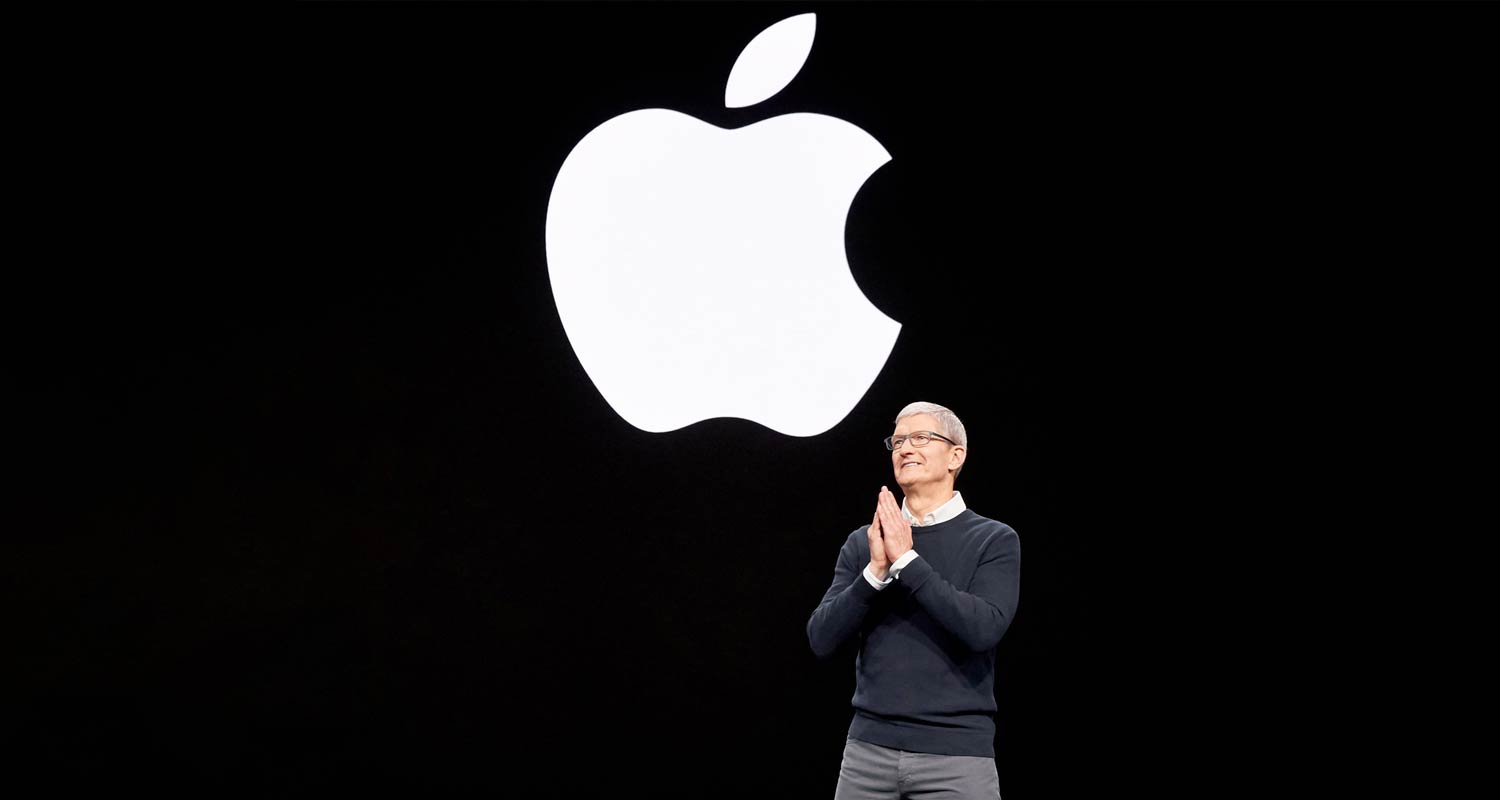
Even the Vision Pro, widely and fairly written off as a flop, may turn out to have been useful R&D. The smart glasses Apple is rumoured to launch later this year or next year look a much more sensible proposition: lighter, cheaper and, crucially, not carrying the creepiness tax that comes with having a Meta logo on your face. If the execution is right, Apple could do to smart glasses what it did to smartwatches: let everyone else flounder for years, then walk in and take the category.
Behind all of this sits the services business, which has become the quiet engine of Apple’s financial story. The App Store, iCloud, Music, TV, Arcade and AppleCare together throw off enormous, high-margin recurring revenue that smooths out the lumpiness of hardware cycles.
Privacy, too, is quietly becoming a genuine differentiator rather than just a marketing slogan. While Microsoft, Google and Meta hoover up ever more user data to feed their models, Apple’s on-device-first approach and its “Private Cloud Compute” architecture give it a clear advantage in a world where consumers are getting less trusting of Big Tech.
And Apple’s AI strategy isn’t the complete disaster it’s been painted as. Yes, Siri is still an embarrassment, but Apple’s decision to run models on-device where possible, lean on partners like OpenAI and Google for more advanced capabilities, and avoid a ruinous capex arms race looks increasingly like good judgment rather than failure.
Every major cloud provider is pouring billions of dollars a year into data centres, GPUs and model training with no clear line of sight to returns that justify the spend. Apple, by contrast, has been disciplined. It is buying back its shares and returning cash to shareholders while its rivals burn through their balance sheets. If the AI bubble deflates – and plenty of sober voices think it will – Apple will look prudent rather than asleep at the wheel.
The competition
Now consider the competition.
Microsoft, which was meant to be eating Apple’s lunch in the AI era, is flailing. Windows 11 is tired and in need of a reboot, Windows 12 keeps not arriving, and CEO Satya Nadella’s obsession with shoving Copilot into every corner of the operating system is actively annoying the customer base.
One must ask whether Microsoft still has the institutional will to produce an operating system people actually enjoy using, rather than one they tolerate because their employer bought it.
Read: New details emerge about Apple’s big Siri overhaul
Meanwhile, at the enthusiast end of the PC market, something genuinely interesting is happening. Gamers – historically the most Windows-loyal constituency – are defecting to Linux in meaningful numbers. Valve’s Proton compatibility layer now runs most Windows games as well as Windows does, sometimes better. SteamOS handhelds have normalised the idea of a non-Windows gaming PC. That erosion at the top of the PC-buying market is a long-term problem Microsoft hasn’t figured out how to address.
None of this is to say Apple has no problems. Regulatory pressure in Europe and the US is real. The App Store model is being chipped away at. Siri is still an awful embarrassment. And the company’s AI story, such as it is, still needs to prove itself in the marketplace.
But look at the fundamentals: Apple has the best iPhone line-up in years, its Mac business is taking share in a stagnant market, it has an iPad finally worth its billing, its smart-home push is gathering pace, it has smart glasses waiting in the wings, its services arm minting money and it has a competitor in Microsoft that looks tired and distracted. Apple hasn’t had it this good in a long time. – © 2026 NewsCentral Media
Get breaking news from TechCentral on WhatsApp. Sign up here.

