

Airtel Africa has switched on what it says is Africa’s first commercial direct-to-phone satellite service, going live in the Democratic Republic of Congo on 14 August in partnership with Elon Musk’s SpaceX.
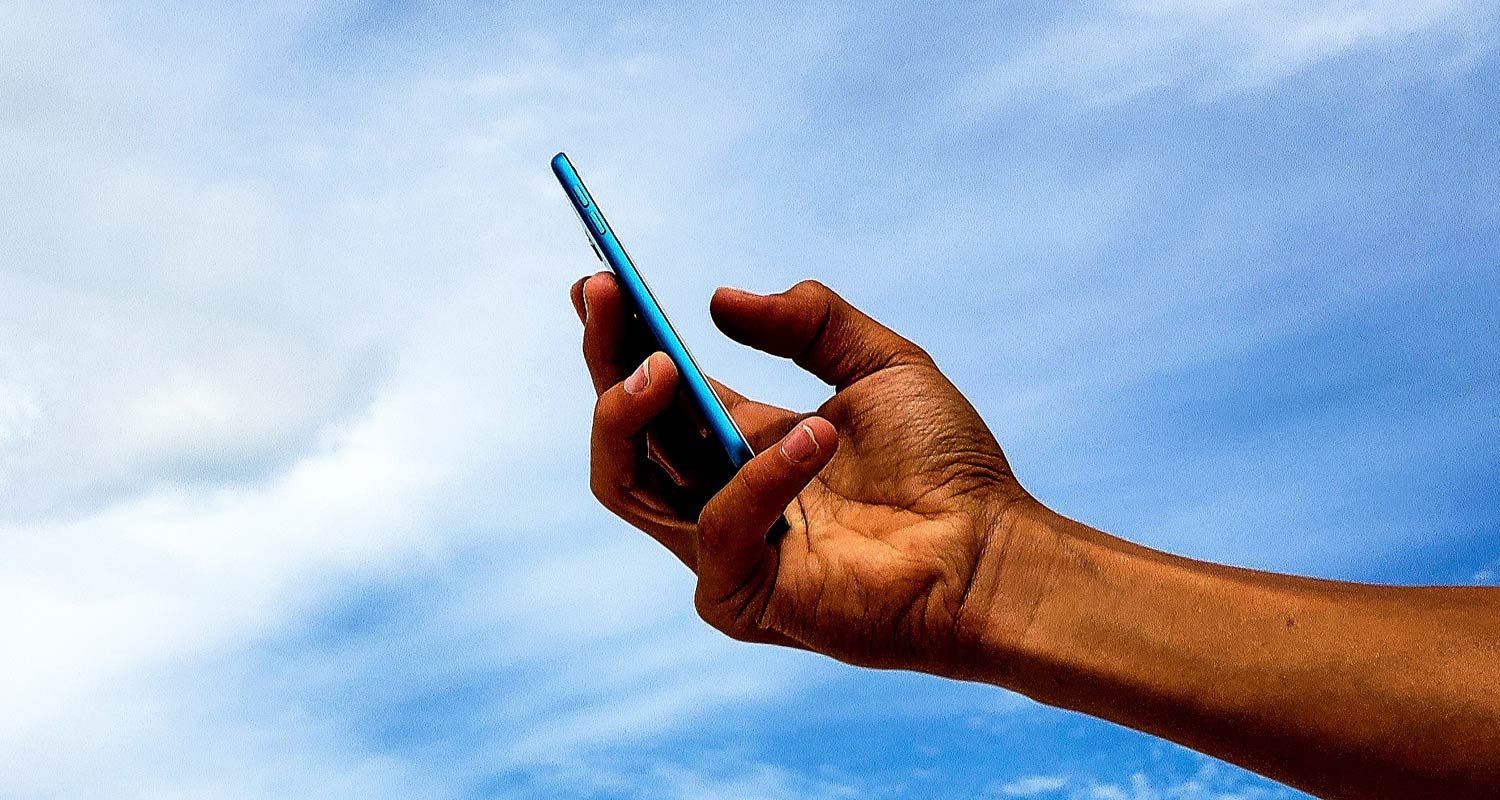
Branded Starlink Mobile, it lets Airtel DRC customers with a compatible LTE Android smartphone connect straight to Starlink’s low-Earth orbit satellites, which act as cell towers in space. No dish, antenna or specialised handset is needed, only a clear view of the sky.
At launch, the service carries SMS and light data applications, including WhatsApp messaging, over what Airtel Africa CEO Sunil Taldar called the world’s largest satellite-to-mobile constellation, with 650 launched satellites.
There is no voice support yet, and it is not built for browsing or streaming. Apple support is planned. Customers need an active data bundle or data roaming.
Combining Airtel’s terrestrial network with Starlink’s satellites extends “essential connectivity beyond the limits of conventional mobile infrastructure”, Taldar said in a post on LinkedIn, citing logistics operators, humanitarian organisations, health workers, farmers and mining operations, along with emergencies and network outages.
The switch-on follows the strategic partnership with SpaceX (PDF) that Airtel Africa announced in December 2025, covering all 14 of the group’s African markets and 173.8 million customers, and successful tests in Kenya (PDF) in March 2026. Expansion beyond the DRC is “subject to country-specific regulatory approvals”, Taldar said.
Vodacom and MTN trials
The African-first claim looks safe for now. Axian Telecom’s rival direct-to-device plan with AST SpaceMobile, announced in March across 11 markets including the DRC, awaits approvals, and AST has pushed commercial launch to 2027.
Airtel does not operate in South Africa, but both MTN and Vodacom have direct-to-cell programmes. Neither has launched commercially.
MTN South Africa claimed the first satellite direct-to-mobile call in the country in March 2025, placing a voice call and sending an SMS from Vryburg in North West over Lynk Global’s satellites, using unmodified handsets on its own licensed spectrum with trial approval from Icasa. That was a test only. MTN Group said in 2023 that it was trialling Starlink for enterprise customers in Rwanda and Nigeria and talking to AST SpaceMobile.
Vodacom’s bet is on AST SpaceMobile, backed by UK parent Vodafone since 2020, when the two agreed to beam 4G and 5G broadband from space across equatorial markets. Vodafone used AST’s satellites for the world’s first satellite video call from a standard smartphone on a Welsh mountainside in January 2025.
Vodacom’s own agreement with Starlink, signed in November 2025, is a different proposition: satellite backhaul to extend rural coverage, plus resale of Starlink kit to business customers. Direct-to-cell was not in the stated scope. Vodafone Group has separately firmed up a deal to use Amazon Leo to connect rural towers.
Part of the gap is regulatory: Starlink has no South African licence, and SpaceX has not applied to the regulator, Icasa, objecting to a requirement that licensees be 30% owned by historically disadvantaged groups. The Electronic Communications Amendment Bill, on which submissions close on 21 August, contains no ownership provision in the April version.
The stakes are rising regardless. Having bought 65MHz of EchoStar spectrum for a combined US$19.6-billion, SpaceX president Gwynne Shotwell said recently that the company intends to build out terrestrial infrastructure to make Starlink “a true mobile service”. As TechCentral has reported, the satellite war on terrestrial telecoms has already begun – and Airtel has just fired a commercial shot in it. – © 2026 NewsCentral Media

