

South Africa’s banks and cash companies say they are working with the Reserve Bank on its plan to white-label the country’s ATMs and bring privately run cash centres into a national utility owned by the central bank. Few will say what they have told it.
TechCentral asked the main banks and cash-in-transit operators to respond to the proposals, which Reserve Bank officials set out at a media briefing on Friday. “We are asking banks to white-label all ATMs,” said Pradeep Maharaj, executive director of the central bank’s Payments Ecosystem Modernisation (PEM) programme.
Under the plan, a white-label ATM pilot starts in January. A national cash utility, wholly owned by the Reserve Bank, is to be established by March 2027, with cash centres run by the likes of SBV and Fidelity starting to move into it by the middle of that year. Every ATM would have to accept deposits, withdrawals and balance enquiries, with transactions below a set amount free.
SBV Services declined to comment. “After careful consideration, we have decided not to provide comment on this issue at this point in time,” it said. SBV is owned by four banks: Absa, FirstRand, Nedbank and Standard Bank. All four run their own ATM networks, so the plan touches them twice: as ATM owners and as part-owners of cash centres the Reserve Bank wants to bring into the utility.
There is also revenue at stake. ATM fees earn the banks money, including what Maharaj called the “disloyalty fee” charged when a customer’s own bank’s machine is out of order. A shared network with free small transactions would cut into that.
Absa keeps investing
The closest any bank has come to pushing back is Absa. It said it is “actively participating” in the Reserve Bank’s initiative to modernise cash distribution, “including the exploration of white-label ATMs”, but made clear it is not slowing down its own investment in ATM infrastructure.
“We continue to invest in and optimise our own ATM network to support sustainable access to cash and banking services across the country, with a particular focus on underserved and remote communities,” said Daniel Munslow, managing executive for group communications at Absa Group.
The bank pointed to card-based withdrawals and deposits at participating retail tills, CashSend withdrawals at selected retailers, and selected ATMs that can now replace a card instantly or reset a Pin. “Our ATM strategy is not only about cash,” Munslow said. Absa listed white-label ATMs as one channel among several, alongside conventional ATMs, retail partnerships, other cash-service points and digital payments.
Loading …
Marinus de Jager, CEO of FNB Cash, said First National Bank has “proactively engaged” with the Reserve Bank on both the white-label ATM model and “the inclusion of cash centres within the National Cash Utility”, and has “dedicated resources and expertise to support the Reserve Bank in shaping the future cash operating model”.
Shared infrastructure could bring “broader access to cash, enhanced operational efficiencies and lower costs across the cash value chain”, he said. But “given the scale and complexity of the proposed changes, it is important that any future model is carefully considered to ensure that it delivers sustainable benefits for consumers and the industry, while preserving operational resilience, security, service quality and long-term commercial viability”.
Standard Bank said it is “fully engaged with the Reserve Bank and has committed to supporting its ‘cash smart’ journey”, but would not discuss its submissions. “As the process remains under consultation, and the Reserve Bank has advised that it will formally respond to industry submissions in November, it would not be appropriate for us to comment on the detail of submissions made during the consultation process,” the bank said.
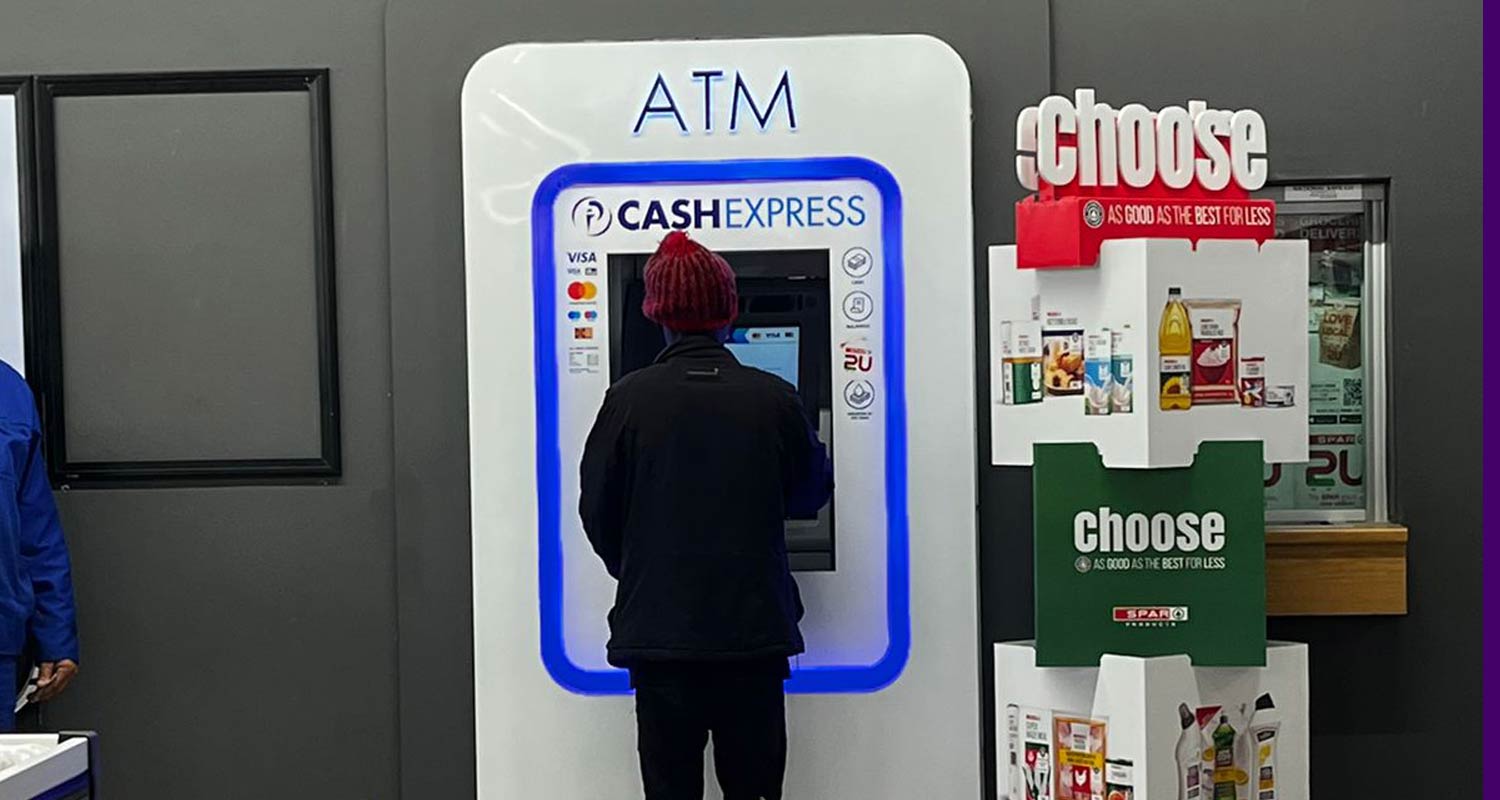
The Cash-in-Transit Association of South Africa (Citasa) said it is “unable to comment on the Reserve Bank’s ‘cash smart’ strategy, as the industry is engaging with the Bank in this regard”.
Fidelity Cash Solutions, part of the Fidelity Services Group, said it had taken part in “several engagements and discussions” with the central bank. “A lekgotla is scheduled for 12 November, where we expect to receive greater clarity on the way forward,” it said. Until then, it is “not in a position to comment on the matter in greater detail”.
Discovery Bank, which does not own or operate ATMs, said it has taken part in the industry consultations and expects the direct impact on itself and its clients to be limited. It cited SpendTrend, research it produces with Visa, which it said shows growing use of cards and digital wallets.
“While cash remains important in certain use cases, particularly in parts of the informal economy and where connectivity constraints exist, the long-term trend is towards an increasingly digital payments ecosystem,” Discovery Bank said.
Capitec and Nedbank had not responded by the time of publication. Their responses will be added when received. – © 2026 NewsCentral Media

