

South Africa’s green ID book will cease to be a valid form of identification on 31 March 2028, home affairs minister Leon Schreiber said on Thursday, with the department set to stop producing the booklet a year earlier.
Production will end on 31 March 2027, when “the machines that produce this booklet will be permanently shut down and decommissioned”, Schreiber said in a speech marking the halfway point of the government of national unity’s term. The 14.7 million citizens and permanent residents who hold only a green ID book will then have a further 12 months to switch to a smart ID card.
Related: South Africa’s digital ID is here – but you can’t have it yet
Before production ends, home affairs will extend smart ID cards to naturalised citizens, permanent residents and South Africans living abroad – groups that have historically been excluded. First-time applicants and people over 60 will continue to pay no application fee.
Schreiber tied the deadline to fraud. He described the paper-based book, with its manually affixed photograph, as one of the most defrauded documents on the continent and a “critical pull factor” for illegal immigrants seeking fraudulent papers. “The continued use of the green ID book is irreconcilable with the functioning of a modern society,” he said.
The announcement turns President Cyril Ramaphosa’s commitment in June to set a date after which the book would no longer be recognised into a fixed deadline. Schreiber had previously set a 2029 target for phasing out the book.
Bank branches
The phase-out rests on the digital overhaul Schreiber has pushed since taking office in 2024, in particular the move of smart ID services into bank branches. He said 515 bank branches now offer walk-in smart ID replacements, with no appointment needed and applications taking as little as five minutes, and that more than 822 000 people had used the service since it launched in March.
By the end of 2026 it will be available at more than a thousand service points, compared with 214 locations that offered smart ID replacements before the GNU was formed – a near five-fold increase, he said.
Capitec said in its interim results on Wednesday that it had processed more than 594 000 smart ID applications since March, at 248 of its branches, suggesting it accounts for the bulk of uptake so far.
Passport applications and first-time smart ID applications will “shortly” be added at bank branches, Schreiber said, along with the option of having IDs and passports delivered to applicants’ homes by courier.
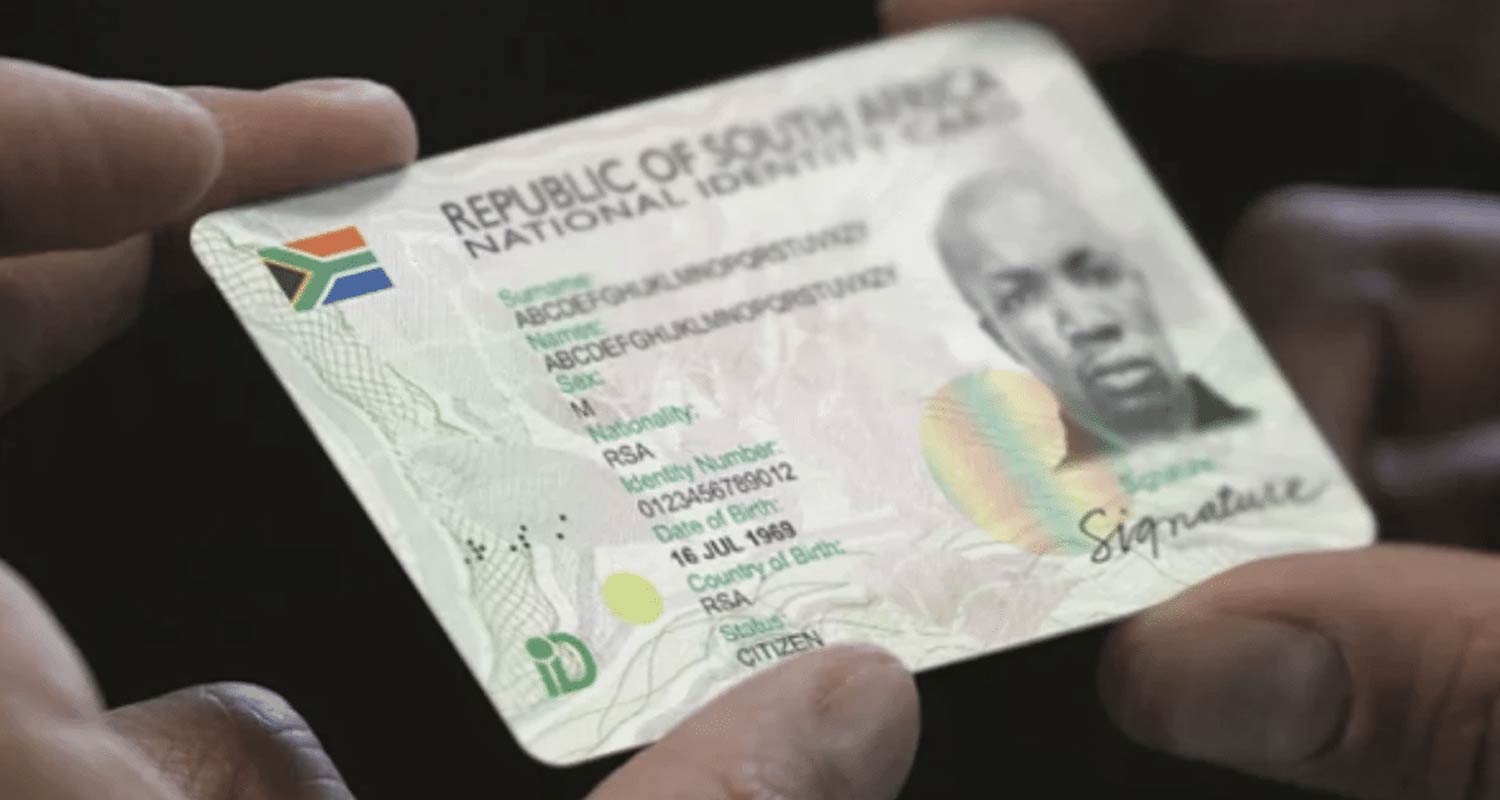
The number of people whose only identity document is a green ID book has fallen from 16 million to 14.7 million, which Schreiber attributed to the bank partnership. Home affairs will run a national communications campaign ahead of the deadline.
The bank-branch roll-out is one of three anchor projects in Schreiber’s reform programme, alongside an electronic travel authorisation system for visas and a digital ID that would let South Africans access home affairs documents on their smartphones. He said the department was ahead of schedule and would set out new priorities for 2027 and beyond. — © 2026 NewsCentral Media

