

As technology continues to shape the future of work, digital skills are becoming increasingly important. A new partnership between Stellantis South Africa and Social Coding South Africa is aiming to make those opportunities more accessible by bringing coding, robotics and digital learning directly into underserved classrooms.
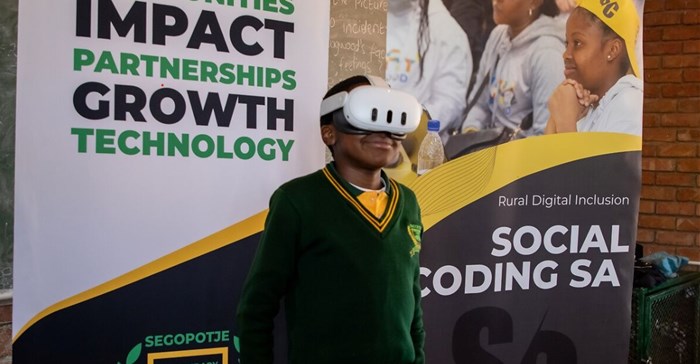
Through a mobile computer lab, the initiative will provide hands-on training for learners, while also equipping teachers and young facilitators with the skills needed to continue building digital confidence within their communities.
Taking technology beyond the classroom
The partnership forms part of Stellantis Philanthropy, the group’s global social impact programme focused on education, youth development and expanding access to opportunities.
At the centre of the initiative is a mobile computer lab that will travel to communities where access to technology and digital resources remains limited.
The programme is designed to bring practical digital education directly to learners and educators, introducing them to areas such as coding, robotics, artificial intelligence and Fourth Industrial Revolution technologies.
The initiative will support a range of beneficiaries, including:
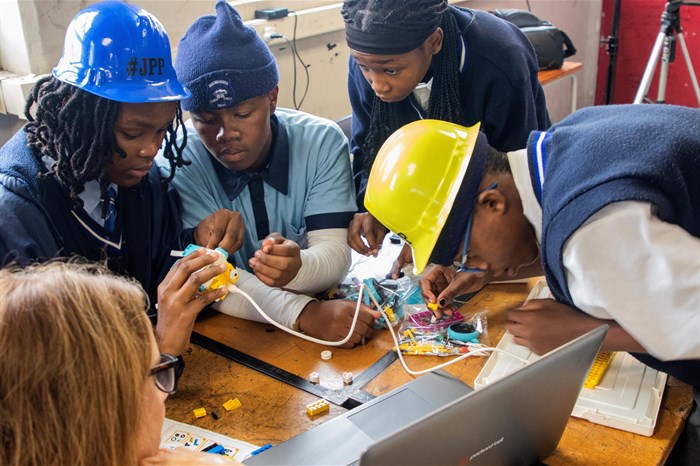
- Grade 8 and 9 learners, who will gain hands-on experience in digital literacy, coding, robotics, AI and emerging technologies.
- Teachers, who will receive training on digital tools and resources that can be integrated into their classrooms.
- Young facilitators, who will develop digital and facilitation skills, with selected participants receiving certification and paid work experience to support the programme’s growth.
By bringing technology directly into communities, the partnership aims to help remove some of the barriers that prevent young people from accessing digital learning opportunities.
Building skills that stay in communities
While the mobile lab provides access to technology, the wider focus is on creating skills that continue long after the programme reaches a community.
Through training teachers and developing local facilitators, the initiative is designed to create a network of people who can continue supporting digital learning beyond the initial sessions.
Learners will also have opportunities to take part in national and international robotics competitions, giving them a platform to develop their skills, build confidence and connect with wider technology communities.
Stellantis South Africa says the partnership reflects its focus on supporting initiatives that create long-term social impact by expanding access to education and future-focused skills.
“At Stellantis, we believe that access to skills and opportunities is key to unlocking long-term social and economic progress,” said Sizwekazi Mdingi, head of communications and CSR for South Africa and sub-Saharan Africa at Stellantis.

Creating pathways into the digital economy
For many young people, limited access to technology can become a barrier to future opportunities. Social Coding South Africa’s founder, Thembiso Magajana, says the initiative is about closing the gap between talent and access.
The partnership aims to show learners that coding, robotics and AI are not out of reach, while creating practical pathways for young people to participate in the digital economy.
“With Stellantis behind us, our mobile lab can reach learners, teachers and young facilitators who are too often left out of the digital economy, and show them that coding, robotics and AI are within their reach,” said Magajana.
A future built on digital access
As industries become increasingly technology-driven, access to digital skills will play a key role in shaping future opportunities.
Through the partnership with Social Coding South Africa, Stellantis Philanthropy is focusing on education as a tool for empowerment, helping learners and educators develop skills that can support future careers and strengthen communities.

