

South Africa’s renewable energy sector is entering a new phase in 2026. According to industry players, one of the emerging trends is how wind and solar are combined and stored.
Falling battery costs, escalating electricity tariffs and mounting grid constraints are reshaping both public procurement and private investment strategies, pushing energy storage from the margins to the centre of the country’s power transition.
The South African Photovoltaic Industry Association (Sapvia) views the growth of hybrid projects as a sign of the sector maturing. These projects combine two or more green energy sources, such as solar, wind or hydro, with energy storage (batteries) and, sometimes, backup generators.
They provide a stable, dependable power supply, overcoming the intermittency of individual sources to deliver consistent energy around the clock, often at costs lower than fossil fuels.
“Renewable energy is moving beyond simply adding variable generation to the grid; hybrid configurations that combine solar PV with battery storage (and in some cases wind) can provide dispatchable power and ancillary services that support grid stability,” Sapvia spokesman Frank Spencer told TechCentral.
He said that hybrids are expected to play an expanding role across multiple market segments.
Spencer said utility-scale hybrids under public procurement are demonstrating that solar-plus-storage can deliver firm capacity over extended dispatch windows. The Scatec Kenhardt cluster and the TotalEnergies Hydra project in the Northern Cape will provide dispatchable power for more than 16 hours a day, which is well beyond solar irradiance hours.
Core component
“These projects set a precedent for future bid windows to prioritise firm capacity over simple energy delivery,” he said.
For private off-takers, such as businesses and industrial customers, adding storage to solar installations addresses peak-time tariff consumption, load shedding resilience and demand charge management.
“We expect continued growth in behind-the-meter battery deployments paired with rooftop and ground-mount solar, not only among energy-intensive users seeking supply security, but also C&I (commercial and industrial) and residential customers. In some instances, these solutions can be more cost-effective than remaining connected to the grid, and thus grid defection is likely to grow on 2026,” Spencer said.
Read: Ramokgopa bullish on energy outlook as new projects get green light
As battery energy storage independent power producer procurement programme (BESIPPPP) projects come online and ancillary services market develops under the South African Wholesale Energy Market, hybrids will increasingly compete to provide auxiliary services such as frequency regulation, reserves and congestion management. They historically happen at thermal power plants.
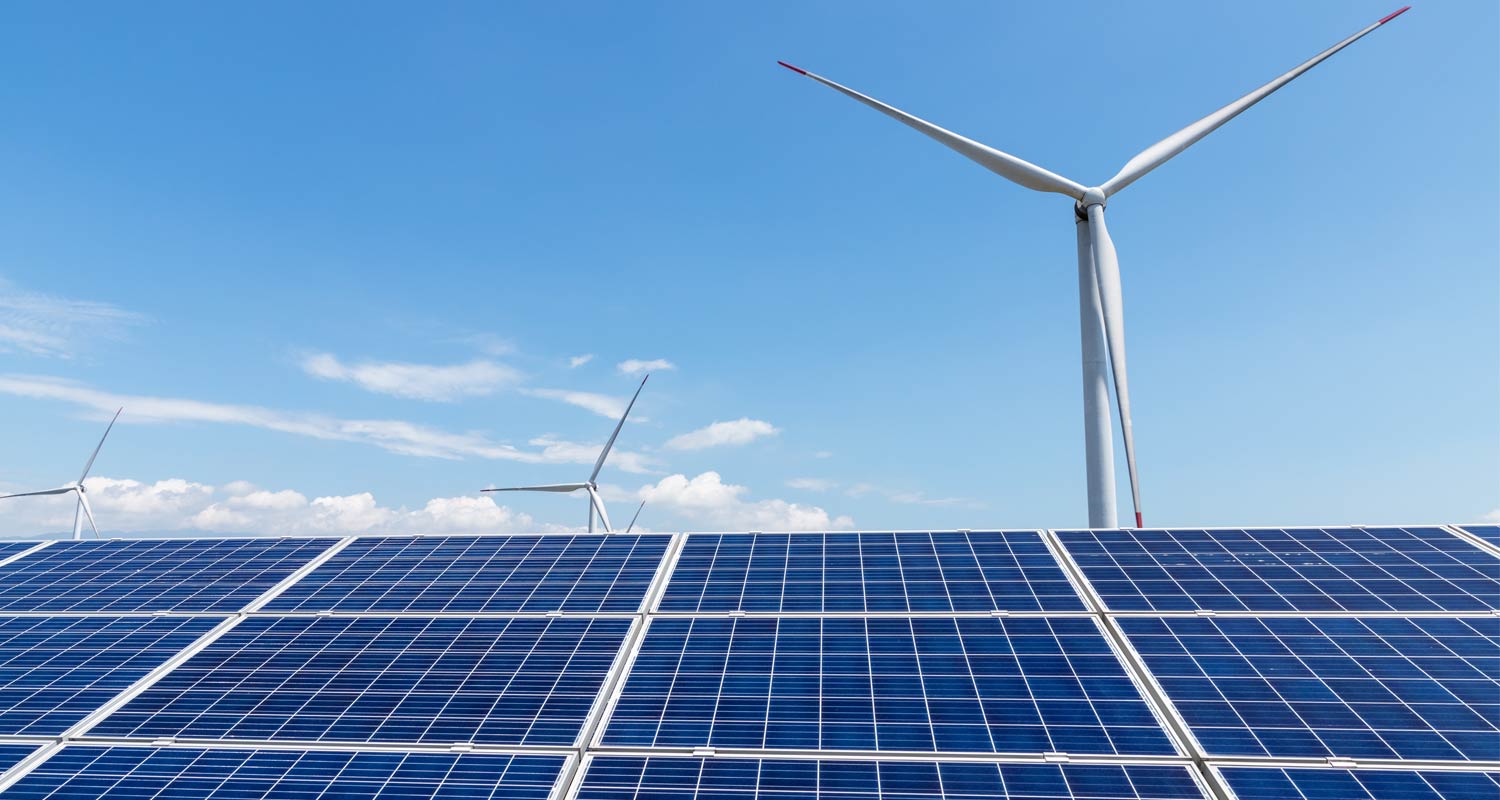
Spencer said the broader significance is that hybrids reframe the value proposition of renewables: from energy only to energy-plus-capacity-plus-services. This positions solar PV not as a supplement to conventional generation, but as a core component of a reconfigured power system.
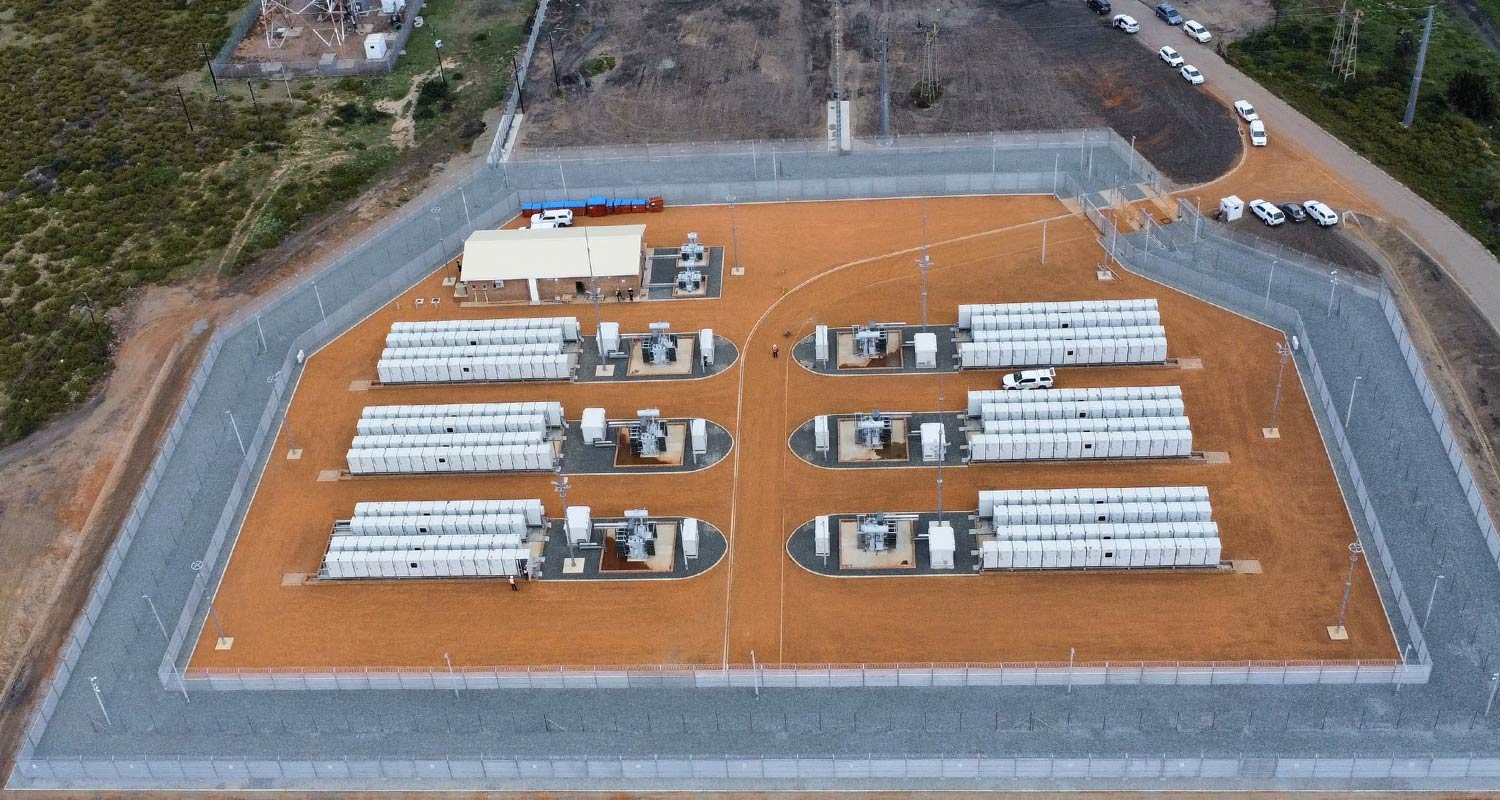
This year will also see South Africa’s first standalone, utility-scale battery projects reach commercial operation under BESIPPPP.
The Mulilo Oasis cluster (257MW/1 028MWh) is expected to reach commercial operation by late 2026, representing one of the largest grid-scale storage deployments on the continent. BESIPPPP bid window 2 achieved a 35% reduction in average pricing compared to the first bid window, reflecting both global cost trends and increased competition among developers.
“Storage integration in 2026 will be shaped by a fundamental shift in economics. Global battery prices have fallen dramatically. Utility-scale Bess (battery energy storage system) capital costs outside China reached approximately US$125/kWh by late 2025, translating to a levelised cost of storage around $65/MWh for large, contracted projects.
“At these price points, storage is no longer a premium add-on but an economically compelling component of energy systems across all market segments, particularly as Eskom and municipal tariffs continue to escalate well above inflation,” he said.
On the trends for end-user consumption, so far the dominant model has been the procurement of daytime solar energy, either through wheeled power purchase agreements or behind-the-meter installations. This means that the reliance has been on Eskom or municipal supply for evening and overnight demand.
Time-shifting
In 2026, Sapvia expects this to change as storage costs fall and off-takers seek firmer, more dispatchable supply. While solar delivers power roughly from sunrise to sunset, many industrial operations run 24 hours.
However, wind generation, particularly from coastal facilities, produces power across a broader time window, including evenings and nights, and often in peak hours.
It said pairing solar and wind with contracted storage allows companies to shape their renewable supply to match actual load profiles, reducing residual grid dependence.
Read: Billions flow into renewables as South Africa races to fix its grid
“For energy-intensive users with sustainability commitments and grid-cost exposure, the value proposition of dispatchable renewable supply is increasingly compelling,” said Spencer.
Across the commercial, industrial and residential segments, the more significant trend is the use of battery storage to time-shift solar generation into peak tariff periods. Solar produces power when tariffs are lowest (midday), while Eskom and municipal peak charges typically apply between 6am-9am and 5pm-9pm.
A battery system charged from solar during the day and discharged during peak periods captures the tariff differential, often more than R2/kWh, while also providing backup during outages.
He said as battery costs continue to fall, this arbitrage model will become viable for a more diverse spectrum of customer segments.
“Sapvia sees 2026 as the year this transition moves from early adoption to mainstream practice, driven by favourable storage economics, sustained tariff pressure and growing confidence in the technologies,” Spencer said. – © 2026 NewsCentral Media
Get breaking news from TechCentral on WhatsApp. Sign up here.

