

Blu Label Unlimited’s energy unit has started building its first power plant: a R360-million solar project at the Springs Fresh Produce Market that will supply electricity to the City of Ekurhuleni for 20 years.
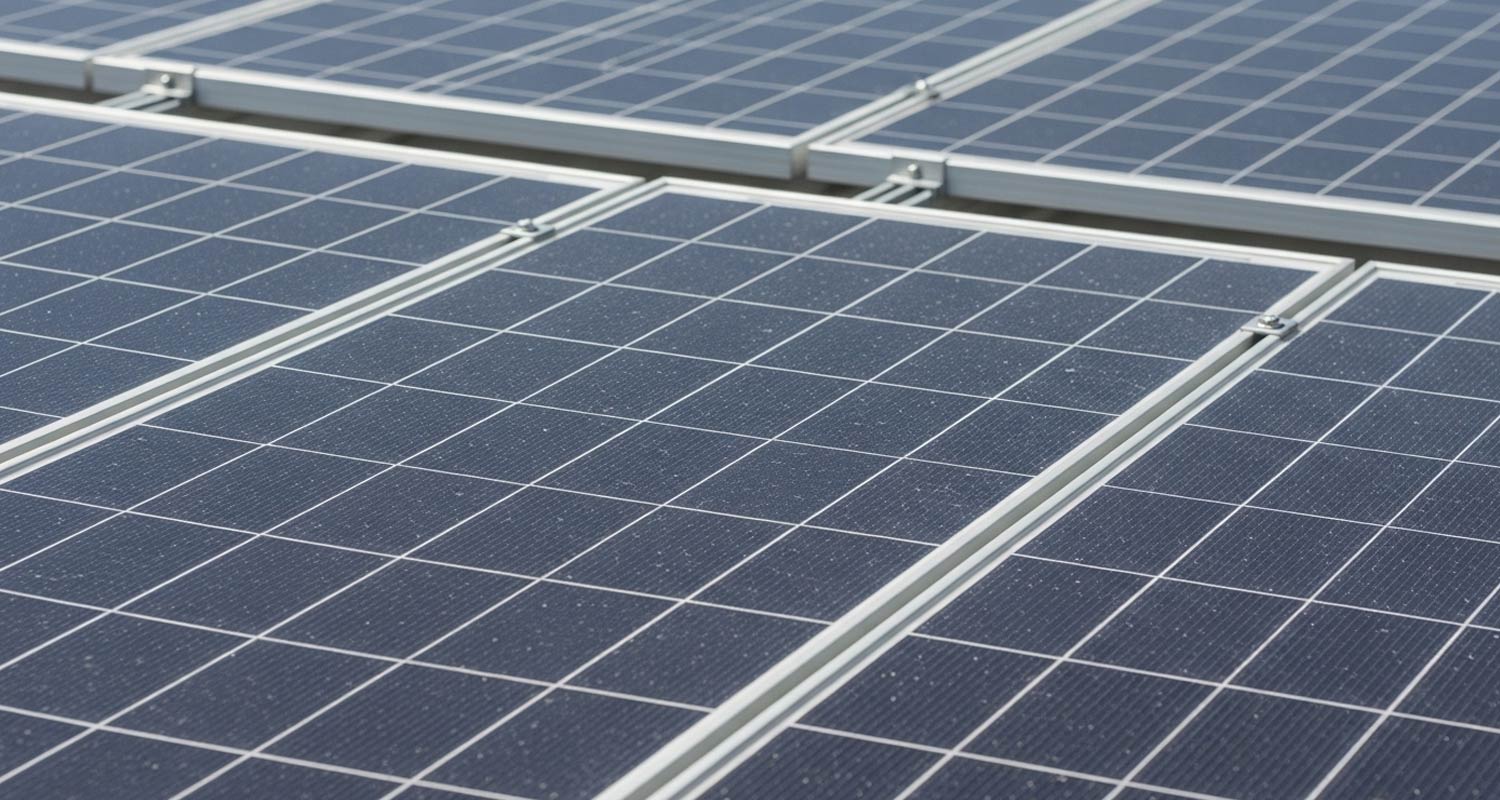
BluEnergy and its development partner, IBS Crafts, broke ground on the 25.6MWp (megawatt-peak) plant on Thursday, the company said in a statement. Panels will cover the market’s roof and unused land around it, and the plant will connect to the Springs bulk substation. BluEnergy expects it to produce about 40GWh/year.
The independent power producer will fund the construction, with no upfront contribution from the municipality, and the city will buy the electricity the plant generates. The statement does not disclose the tariff.
Business Day reported on Monday that it is the first project in Blu Label’s 180MW pipeline to enter construction. It said the plant will be owned and operated by Olympia Park, a company jointly owned by BluEnergy, which holds the majority stake, and IBS Crafts, the preferred bidder under Ekurhuleni’s independent power producer programme.
Energy minister Kgosientsho Ramokgopa, who led the sod-turning with mayor Nkosindiphile Xhakaza, announced on 5 October that Ekurhuleni may procure 2.4GW from independent power producers. The approval is a determination under section 34 of the Electricity Regulation Act. Ramokgopa compared it with the 400MW approved for eThekwini and 220MW for Cape Town. The city says the programme could save R36-billion on bulk electricity over 20 years.
“We are bringing private capital and delivery capability to an existing public asset to create a new source of clean electricity for the city,” said BluEnergy CEO Aaron Suckerman.
Squeezed
For Blu Label, Springs is the first physical evidence of a strategy it set out in February. Under that strategy it would build 10-40MW solar and battery plants feeding individual municipal substations, rather than one large plant. The plants would be financed against the cash flows its Cigicell subsidiary already collects for municipalities.
In August, co-CEO Mark Levy said the group had secured about 400MW of generation capacity, with sites, power-purchase agreements and grid connections for 180MW. None of it was generating, and BluEnergy had yet to earn contracted revenue. The statement does not mention battery storage or say when the Springs plant will start producing power.
Blu Label’s existing electricity business is being squeezed. It sold R46.2-billion of prepaid electricity on behalf of municipalities in the year to May, but its commission fell 13% to R279-million. It is paid per kilowatt-hour, so tariff increases don’t lift its earnings, and municipalities have been cutting its margin.
“Bringing together generation, energy trading, payments and revenue assurance creates a stronger base for long-term municipal energy partnerships,” Levy said in the statement. Its BluEnergy Trading subsidiary received a multi-year electricity trading licence from Nersa, the energy regulator, in February. – © 2026 NewsCentral Media

