

MultiChoice Group has announced it will discontinue Showmax, drawing a line under one of Africa’s most expensive and ambitious streaming experiments.
The decision brings to an end a platform that was launched in 2015 and relaunched at enormous cost in 2024, and which ultimately failed to achieve commercial viability in a market defined by low broadband penetration, costly data and intense competition.
The announcement comes just two weeks after MultiChoice Group CEO David Mignot told TechCentral in a wide-ranging interview that Showmax “can’t continue” in its current form, describing the platform bluntly: “Financially speaking, business-wise speaking, the thing is not flying.”
In January, Canal+ CEO Maxime Saada was equally direct, telling investment analysts that Showmax was “not a commercial success — it’s quite obvious”.
MultiChoice, now part of Canal+, said the decision reflects its focus on “financial discipline and investment optimisation” in an increasingly competitive and capital-intensive global streaming environment. “The substantial annual losses experienced by the Showmax business have proved unsustainable,” the company said in a statement.
The losses were staggering. As TechCentral reported, Showmax recorded trading losses of R2.6-billion for the year ended 31 March 2024. Those losses then ballooned by 88% to R4.9-billion in the year ended 31 March 2025, dragging MultiChoice Group’s trading profit down by 49% to R4-billion. Subscriber growth and revenues were, by MultiChoice’s own admission, “well short” of the 2025 targets.
Cautionary tale
The platform’s trajectory is a cautionary tale for the African streaming market. MultiChoice originally built Showmax to counter Netflix’s expansion into the continent. For its first several years, it operated as a modest complement to DStv. But as the global streaming wars intensified, MultiChoice decided to bet big.
In March 2023, it partnered with Comcast’s NBCUniversal and Sky to overhaul the platform. NBCUniversal acquired a 30% stake, bringing Peacock streaming technology and a pipeline of international content from HBO, Warner Bros, Sony and others, as well as live English Premier League football.
Read: Canal+ concedes Showmax ‘not a commercial success’
The revamped Showmax 2.0 launched in February 2024 across 44 African markets with a new app, new branding and a three-tier pricing structure. It never came close to delivering on those projections.
As Mignot told TechCentral, Africa has roughly 600 million smartphones but the economics of mobile streaming simply do not work given the cost of data. Barely 4-5% of the continent’s approximately 100 million electrified, TV-owning households have access to fibre — leaving a vast gap between the streaming future that was envisioned and the market reality on the ground.
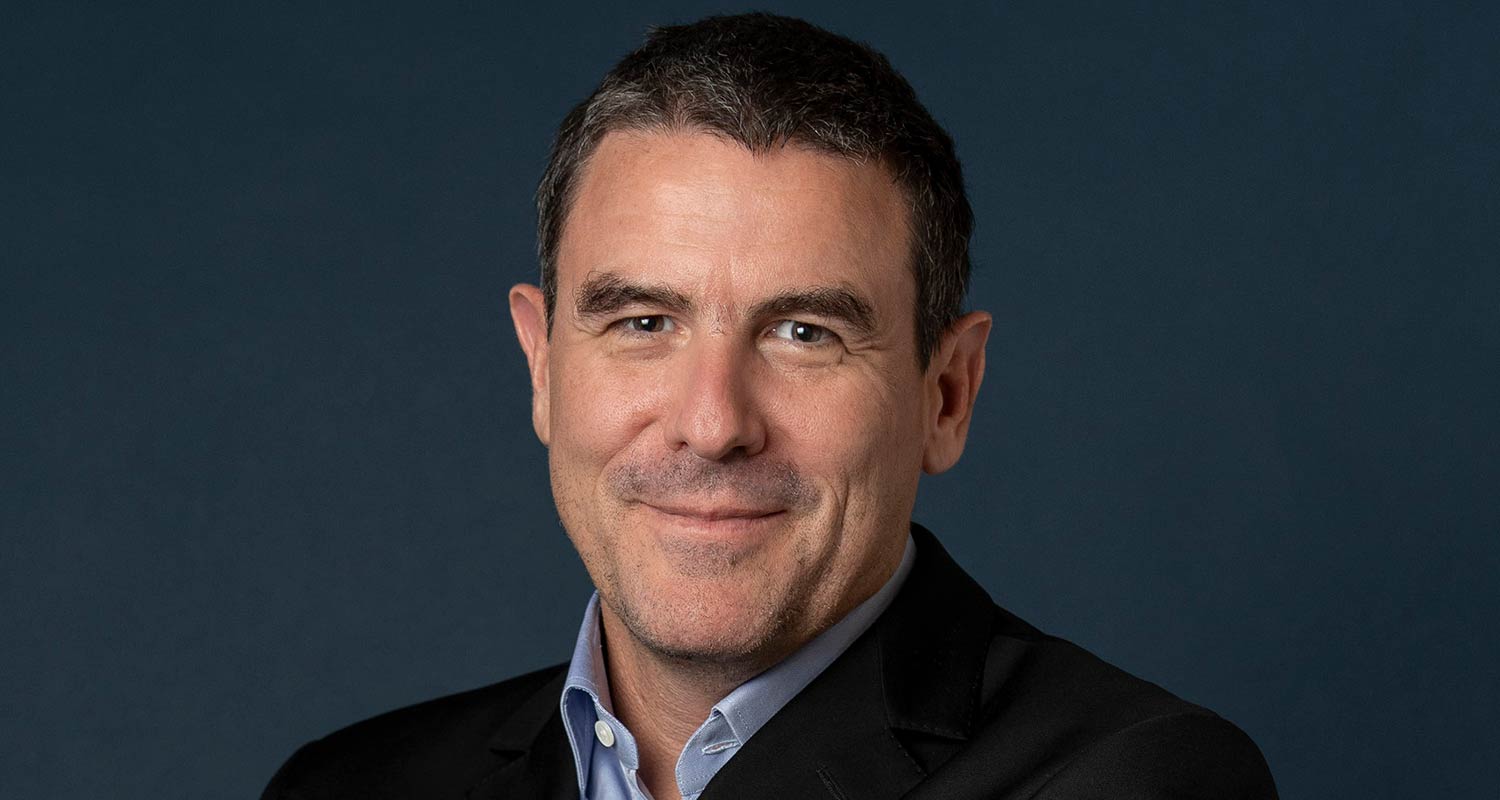
MultiChoice said the decision to discontinue Showmax “will not involve any retrenchments”, adding that employees will be supported through “various transition options”. The company said it intends to deploy its own “in-house large-scale streaming platform” capable of meeting the expectations of African and international consumers.
“Canal+ will continue to invest in premium content for MultiChoice subscribers, technological innovation and strategic partnerships to consolidate its leadership in the African entertainment market,” the company said, adding that further details on its content offering and platform upgrades would be shared “in due course”.
Read: MultiChoice scraps annual DStv price hike
Canal+ is due to release its first set of combined financial results on 11 March, covering the year ended 31 December 2025, where more detail on the group’s streaming strategy is expected.
Showmax’s demise marks the end of a decade-long effort to build a viable African alternative to global streaming giants. What was once positioned as Africa’s last great frontier for streaming growth became one of the continent’s most costly media experiments. — (c) 2026 NewsCentral Media
Get breaking news from TechCentral on WhatsApp. Sign up here.

