

Just four years after the launch of ChatGPT, the chatbot that brought artificial intelligence into the mainstream, and it seemed like almost every exhibitor at the CES show in Las Vegas this week was touting an AI-powered gadget.
The annual event draws the biggest companies from the global tech and auto industries, who this year underscored the shift from AI software to “physical AI” with robotics, humanoids and autonomous driving technology.
And while big tech laid out the blueprint for what lives and homes could look like over the next couple of years, dozens of entrepreneurs and little-known companies vied to capture attention with AI-powered doodads for tasks as varied as cutting hair and offering emotional support.
Amid all the pizzazz, investors and analysts had the task of predicting which AI-imbued hardware has the potential to be a hit with consumers and become a multi-billion-dollar business.
“AI is really driving a whole innovation and demand cycle,” said ARM’s Chris Bergey, head of the chip tech firm’s unit that handles PCs, phones and other AI gadgets. ARM said that it has reorganised to create a physical AI unit to expand its presence in the robotics market.
Humanoid robots
Interest in humanoid robots has boomed as companies see human-form machines as the next frontier in AI and automation. At CES – once called the Consumer Electronics Show – robots from South Korea’s LG and others dealt games of poker, folded paper to create pinwheels and danced with attendees.
However, the glacial pace at which humanoid robots performed tasks reflected challenges developers face such as processing power, battery life and dealing with situations beyond their programming. As such, experts do not expect a viable humanoid to be available anytime soon, at least not at an affordable price.
Read: Autonomous AI agents emerge as the next major cybersecurity risk
China’s Lenovo hosted a splashy event at the Las Vegas Sphere that featured Nvidia CEO Jensen Huang and rival chipmaker AMD boss Lisa Su. Lenovo, the world’s largest PC maker, unveiled its Qira AI voice assistant platform designed to work across devices and provide services from the likes of travel company Expedia.
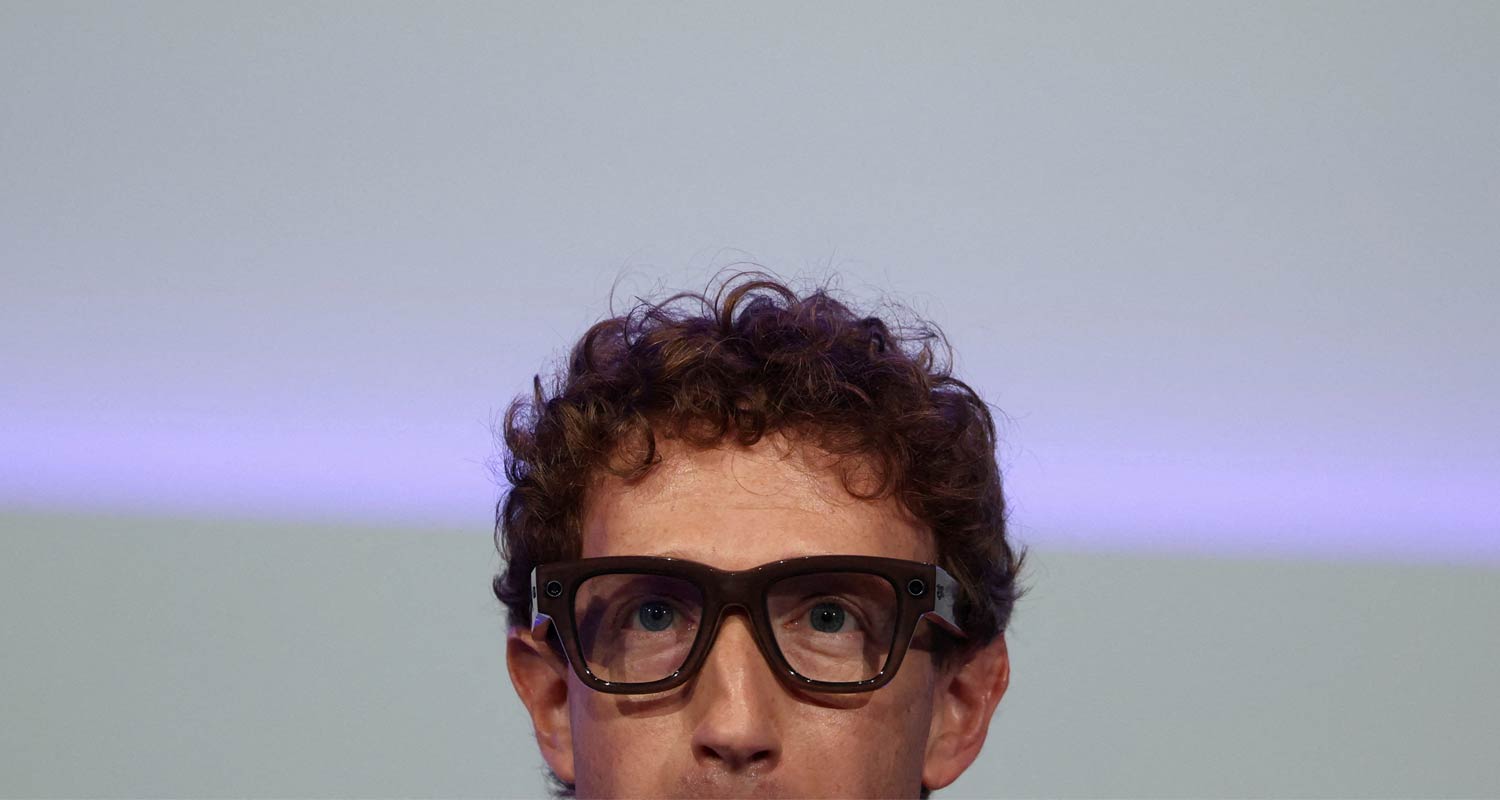
Meta said it has enhanced its Ray-Ban Display and Neural Band products — both launched last year — with features such as live recording, and Google launched its AI model Gemini for TVs and other home devices.
Then there were the more utilitarian devices given an AI makeover among gadgets that appeared to be more of a gimmick.
Among the more frivolous offerings were gadgets containing three-dimensional avatars which employed AI to say “sweet things” in different voices, and a pocket pet with a personality that its makers said uses AI to grow and change with its owner.
One company showed off an AI dry cleaning apparatus priced at US$599 that it said could detect a garment’s material and clean it appropriately in three minutes. Another showcased a set of hair clippers that use AI to help cut people’s locks.
Gadgets
After viewing a batch of AI-enhanced lawnmowers, massage chairs, mattresses and other household items, Seaport Research analyst Jay Goldberg said many of those gadgets were previously referred to as “smart” devices and that companies may have adopted the AI moniker as a marketing tactic.
Most AI applications run on the cloud but will likely move to run on devices due to cost, which will require specialised functions built into each chip.
“Unless you’ve been living under a rock over 2025 you probably heard that AI is getting really expensive,” Perplexity AI CEO Aravind Srinivas said at an Intel launch event.
Intel PC chips business head Jim Johnson likewise spoke of companies’ enormous and growing data-crunching costs in the cloud.
The US chipmaker launched its Panther Lake AI chip for laptops, the first product made using a next-generation manufacturing process called 18A. Compatriot AMD announced a set of processors designed for AI PCs.
AI can make PCs run more efficiently in terms of speed, battery life and security, for instance. Less clear is whether consumers will flock to purchase them.
“I think the general consumer is still not aware of what an AI PC really means or what it can do for them that they can’t do today,” said CEO Ben Bajarin of tech consultancy Creative Strategies. “Hopefully that will become more clear over time.” — Max A Cherney, (c) 2026 Reuters
Get breaking news from TechCentral on WhatsApp. Sign up here.

