

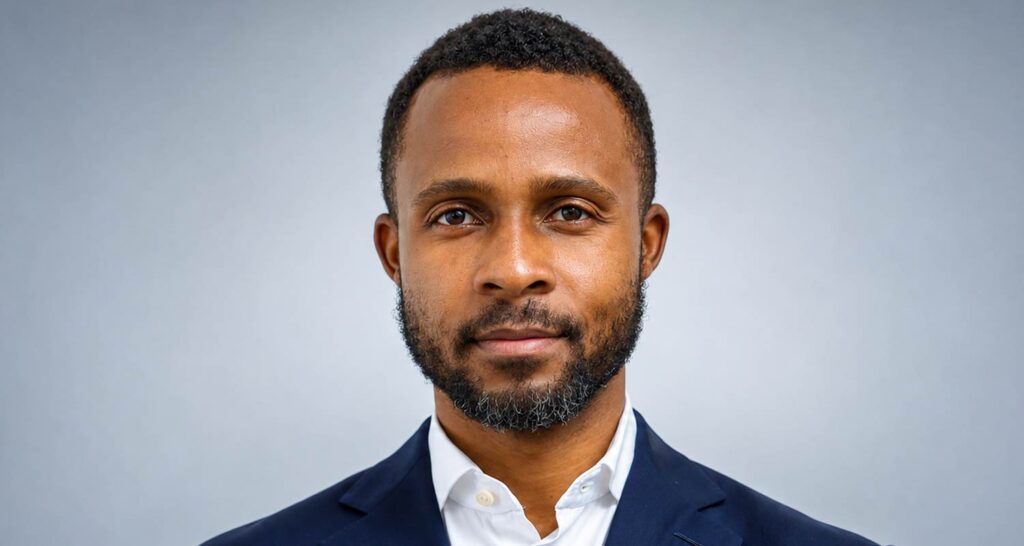
South Africa’s car manufacturing industry could be decimated within five years unless the country settles on a clear policy direction, Automobile Association of South Africa CEO Bobby Ramagwede has warned.
“I’ve given it five years. If we continue in the same vein, allowing this rampant importing of not just Chinese vehicles, vehicles from many a country, we’re going to decimate this sector,” Ramagwede told William Kelly on TechCentral’s motoring show, Watts & Wheels, in an episode that will be published in the coming days.
Ramagwede, AA CEO since October 2024, was unusually blunt about the car makers: “I’ll name them by name. I really don’t mind,” he said.
BMW, he said, operates in South Africa “because they’re doing us a favour”, while Toyota has “found a comfortable home”. Volkswagen, he thinks, is “sitting on the edge of their seat, probably ready to go”, and Mercedes-Benz, he reckons, has “got one foot out the door”.
“I cannot blame anyone,” he added. “We haven’t decided on what our policy direction is.”
We would not characterise the industry’s future through a five-year countdown.
Tshetlhe Litheko, Naamsa
Imports are gaining ground. Chinese brands took 19.3% of car and light commercial vehicle sales in October among manufacturers that report to Naamsa, up from 16.1% a year earlier, according to TechCentral’s analysis. And one car maker Ramagwede did not mention has already gone: Chery took over Nissan’s Rosslyn plant outside Pretoria in July.
The car makers that responded insist they remain committed. “I will be keen to hear from him what is the premise of his assessment and thinking that Volkswagen is ‘probably ready to go’,” said Andile Dlamini, VW’s head of group communications. “Volkswagen is committed to South Africa.”
Dlamini said Kariega builds the Polo for export to about 38 countries, and that VW will launch the Tengo compact SUV there in February 2027, the product of a R4-billion investment first announced in April 2024.
BMW said its presence “is grounded in commercial considerations”. Plant Rosslyn built more than 79 000 vehicles in 2025 and is the only BMW plant making the X3 plug-in hybrid for international markets, it said, pointing to a R4.2-billion investment announced in 2023.
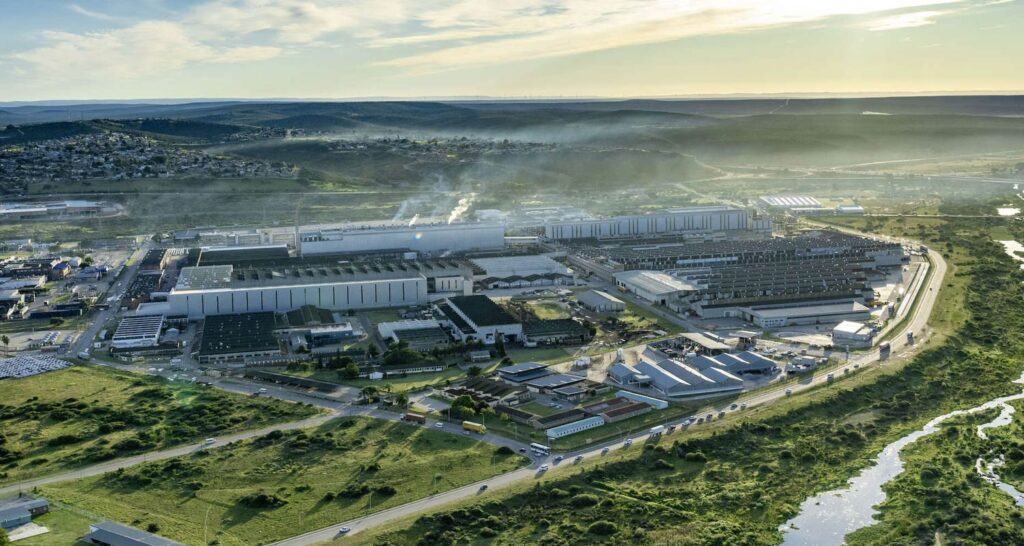
Toyota said it “cannot speculate on specific timelines”, but that its “commitment to local manufacturing remains unwavering”. It has invested R10.4-billion in its Prospecton plant for the new-generation Hilux.
BMW, Toyota and Ford all called for policy certainty.
Mercedes-Benz South Africa had not responded at the time of writing. Great Wall Motor confirmed in March that it had held talks about the Mercedes plant in KuGompo City (formerly East London), but in August Mercedes confirmed that the plant would build the facelifted C-Class.
Naamsa, which represents vehicle manufacturers and importers, also disputes the timeline. “We would not characterise the industry’s future through a five-year countdown,” chief policy officer Tshetlhe Litheko told TechCentral.
‘Hodgepodge of policy’
Ramagwede said the industry contributes about 5% of GDP, in line with the 5.3% cited by President Cyril Ramaphosa last year. “If we were to allow this industry to fall apart without a clear design around how we catch the casualties, it would be a reckless move,” he said.
Australia, which let manufacturing dwindle until its last car plant closed in 2017, was “a little bit more systematic and structured” about it, he said. “In our case, we’ve got this hodgepodge of policy that we’ve allowed to sort of just brew.”
Manufacturers also contend with erratic electricity, “questionable water supply” and poor roads. “You can’t expect them to stick around. And in many instances, none of them really have to.”
He singled out Ford, which builds its Ranger bakkie in Silverton, Pretoria. “Where are they going to manufacture if they’re not manufacturing here? Look around the globe. Oh, Thailand,” he said. If South Africa signed a free trade agreement with Thailand, he expected “next to nothing” of Ford’s output to be made locally.
Ramagwede also held up Thailand as a cautionary tale. Chinese manufacturers had captured 89% of its electric vehicle market by the end of 2025, according to Rhodium Group. Subaru and Suzuki have since ended production there, and Ford Thailand has agreed to buy Suzuki’s former Rayong plant. “Someone in our government is going to say, ‘Whoops, we didn’t see that coming,’” he said.
Ford rejects his scenario. “Speculation that Ford’s South African manufacturing output would fall to ‘next to nothing’ does not reflect our position or current plans,” said Neale Hill, president of Ford’s Africa operations. Silverton exports the Ranger to more than 100 markets, he said, and acquisitions outside South Africa “do not alter our current manufacturing plans for South Africa”.
Waiting for the budget
With the automotive masterplan under review, Litheko said the industry “views the 2027 budget speech as a critical milestone for clarity on the automotive policy review’s outcomes”. The priority, he said, is “a coherent policy package with clear implementation timelines”.
Naamsa is also softer on imports. “Imports contribute to consumer choice and affordability,” Litheko said.
Ramagwede is not wedded to manufacturing for its own sake. “If someone said to me, we’re going to abandon manufacturing, I wouldn’t be against it if you showed me a clear strategy, something that says we’re going to catch that 5% of GDP and we’re going to convert it to something,” he said. “What are you going to do, mine some more?” – (c) 2026 NewsCentral Media

