
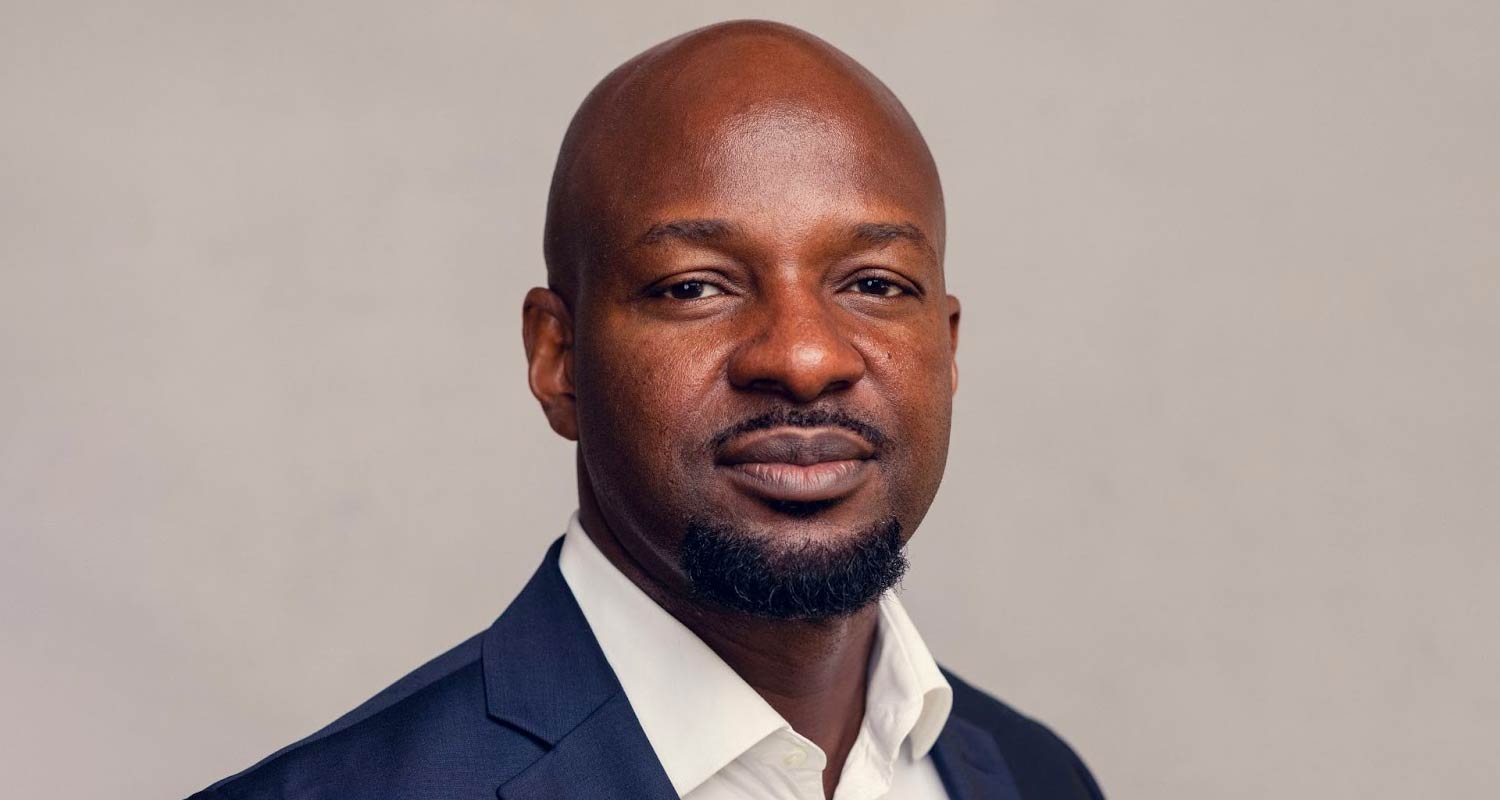
Google has confirmed the Eastern Cape as the site for a “digital exchange hub” that will act as a subsea cable landing station, part of its Umoja project – the first fibre-optic route to directly connect Africa with Australia.
Speaking to TechCentral in an interview at South Africa’s inaugural Google Cloud Summit in Johannesburg, Google Africa MD Alex Okosi said permits to build the infrastructure had already been secured, though the project is yet to break ground. The exact location has not been disclosed.
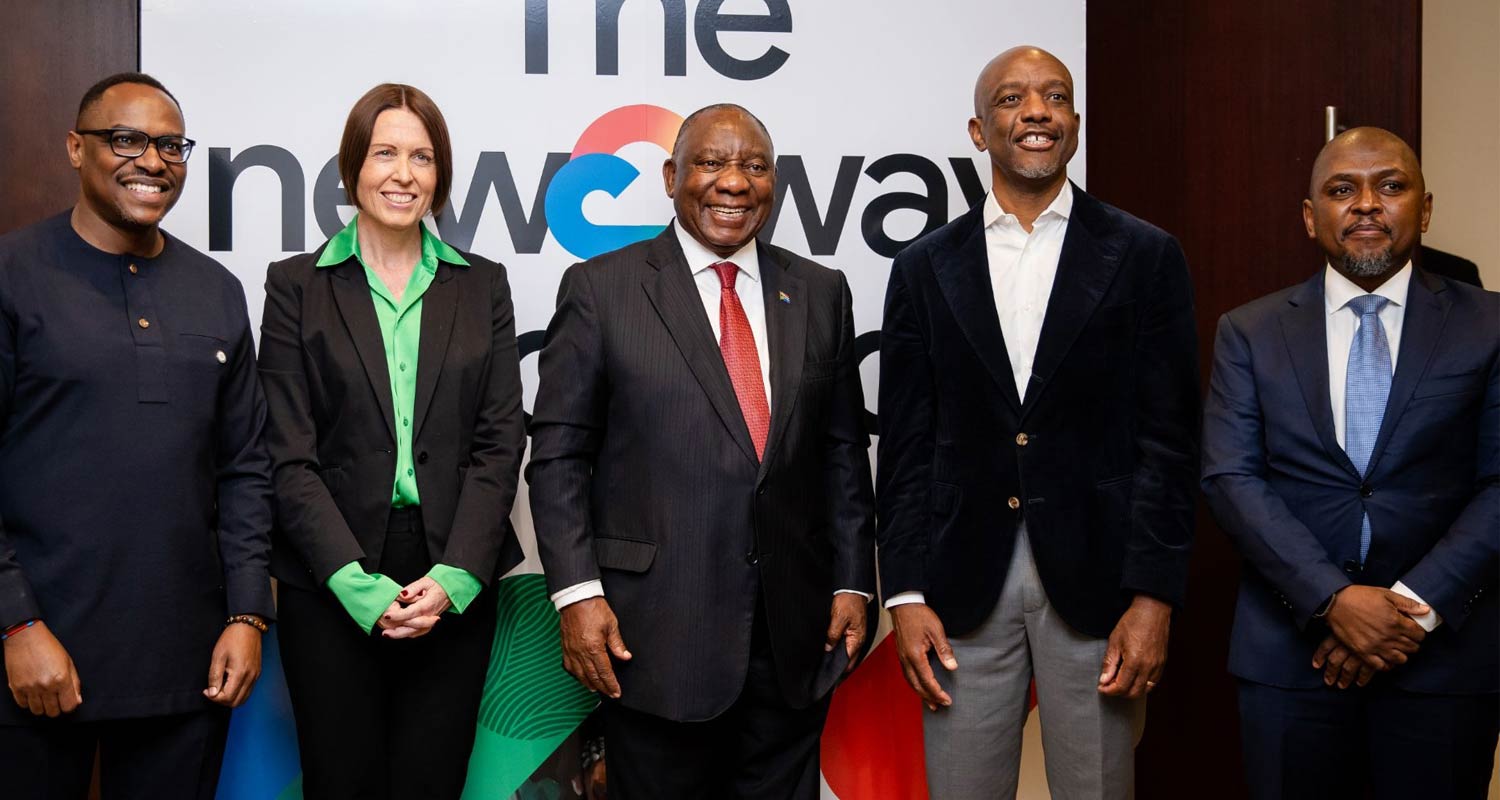
“We’re making new investments in critical areas: infrastructure, African-led innovation, and education and skills building – from a new digital exchange port in the Eastern Cape to Africa’s first Applied AI lab,” said James Manyika, Google’s senior vice-president for research, labs, technology and society.
Google did not disclose the landing station’s capacity or other technical details. But Okosi’s description suggests the hub will simultaneously serve as a cable landing station, an edge data centre and possibly an internet exchange point.
The Eastern Cape hub is one of four digital exchange hubs Okosi first announced in September 2025. The locations of the other three are yet to be confirmed but, according to Okosi, they will broadly track the remaining points of the compass, with the Eastern Cape serving as the southern anchor. “We’re still going to have one in East Africa, West Africa and a little bit more in North Africa,” he said.
Google’s rationale for Umoja is to lay the infrastructure foundation to lower connectivity costs for terrestrial providers in Africa, driving down prices and, in turn, lifting digital adoption among businesses and consumers. As adoption ramps up, Google aims to serve as an enabling platform through its “full-stack approach” to AI infrastructure.
Jobs, AI
“It is projected that in the next five years, Africa will hold a third of the global youth population. We need to be creating jobs. These jobs are not going to be created in traditional spaces. That’s the reason why we’re also quite excited about really making sure that we’re infusing AI into every single aspect of what we do,” said Okosi.
Alongside infrastructure and AI, Google is targeting skills development as a growth driver for its African operations. In South Africa, that includes a R3-million investment in a digital innovation centre in Soweto, in partnership with WeThinkCode.
Read: Google to build South Africa to Australia subsea cable called Umoja
Also speaking at a media briefing at the summit on Wednesday, Google South Africa country director Kabelo Makwane confirmed the centre will be built at the George Tabor campus of South West Gauteng College, a technical and vocational education and training college in Dube, Soweto. The centre aims to draw entrepreneurs, creators and technologists into a space where they can tap Google tooling and expertise.
Okosi said the centre would give people “a place in which they can go and actually get their hands on some tools, learn how to use these tools and to be able to work in collaboration with other people in the ecosystem to create some valuable work”.
Further afield, Google has built an applied AI lab in Accra, Ghana as part of a US$37-million investment in AI skills and research. Based at the Accra AI Community Centre, the lab will support founders in using the latest AI research to tackle real-world, uniquely African challenges across work, knowledge, creativity, entertainment and software development.
With competition in AI intensifying, Google is betting that its full-stack approach – spanning core infrastructure, education and skills, applications, and the start-up ecosystem – will help it capture market share across Africa as the continent digitises.
Read: Google to anchor Africa subsea cables with four new ‘connectivity hubs’
“The most important thing to do is to have the foundational infrastructure, because without it, the gap [between Africa and the world] will continue to widen. This is the most capital-intensive part of how you build for an AI future for Africa,” said Okosi. – © 2026 NewsCentral Media

