

Morocco has edged South Africa off the top of an industrialisation index, but the country’s automotive body says South Africa remains the continent’s dominant vehicle producer and its shift to electric models is “on track”.
South Africa remains by far the largest vehicle manufacturer on the continent, and its move to new energy vehicles is progressing, the Automotive Business Council (Naamsa) has told TechCentral, pushing back against the idea that the country is ceding its industrial edge to Morocco.
Responding to questions from TechCentral, Naamsa chief trade and research officer Norman Lamprecht said South Africa “remained the dominant vehicle manufacturing and sales hub in Africa” in 2025, accounting for 50.3% of total African vehicle production and 46.5% of sales on official OICA data.
Although the bulk of locally built vehicles went to the EU and the UK, he said, the industry “continues to expand its global export footprint every year” and exported vehicles and automotive components to 154 countries in 2025.
The comments follow the African Development Bank’s latest Africa Industrialisation Index, which ranked Morocco as the continent’s most industrialised economy for the first time, narrowly ahead of South Africa. Morocco scored 0.8415 to South Africa’s 0.8396, ending a run at the top that South Africa had held since 2010, with the bank pointing to sustained industrial upgrading and export diversification.
Record production
A key factor that helped Morocco edge out South Africa is that it has become a default manufacturing base for European-bound vehicles, with Renault running one of its largest plants in Tangier, home of the Dacia Sandero, Europe’s best-selling car, and Stellantis expanding in Kenitra.
Morocco built around a million vehicles in 2025, a record, and turned out 493 004 passenger cars against South Africa’s 329 600 on Naamsa’s own trade-manual figures. South Africa’s continental lead therefore rests on total output, carried by its light-commercial and bakkie lines, rather than on passenger cars – the segment where Morocco has now moved ahead.
Read: BYD sets its sights on Toyota’s crown
On whether South Africa risks losing export share as its two largest markets (UK and EU) phase out combustion engines, Lamprecht said the country’s new-energy vehicle (NEV) road map “is aligned with developments in the EU and the UK relating to the transition to battery-electric vehicles in 2035 and is progressing well”.
Four of the seven so-called original equipment manufacturers building cars in South Africa are already producing plug-in and conventional hybrids that are exported to destinations including the EU and the UK, he said. There is also “a big focus on EV battery value chain development in the country”, drawing on the critical minerals found in South Africa and neighbouring states, and new investment aimed at NEV production is “already taking place or being considered by new entrants”.
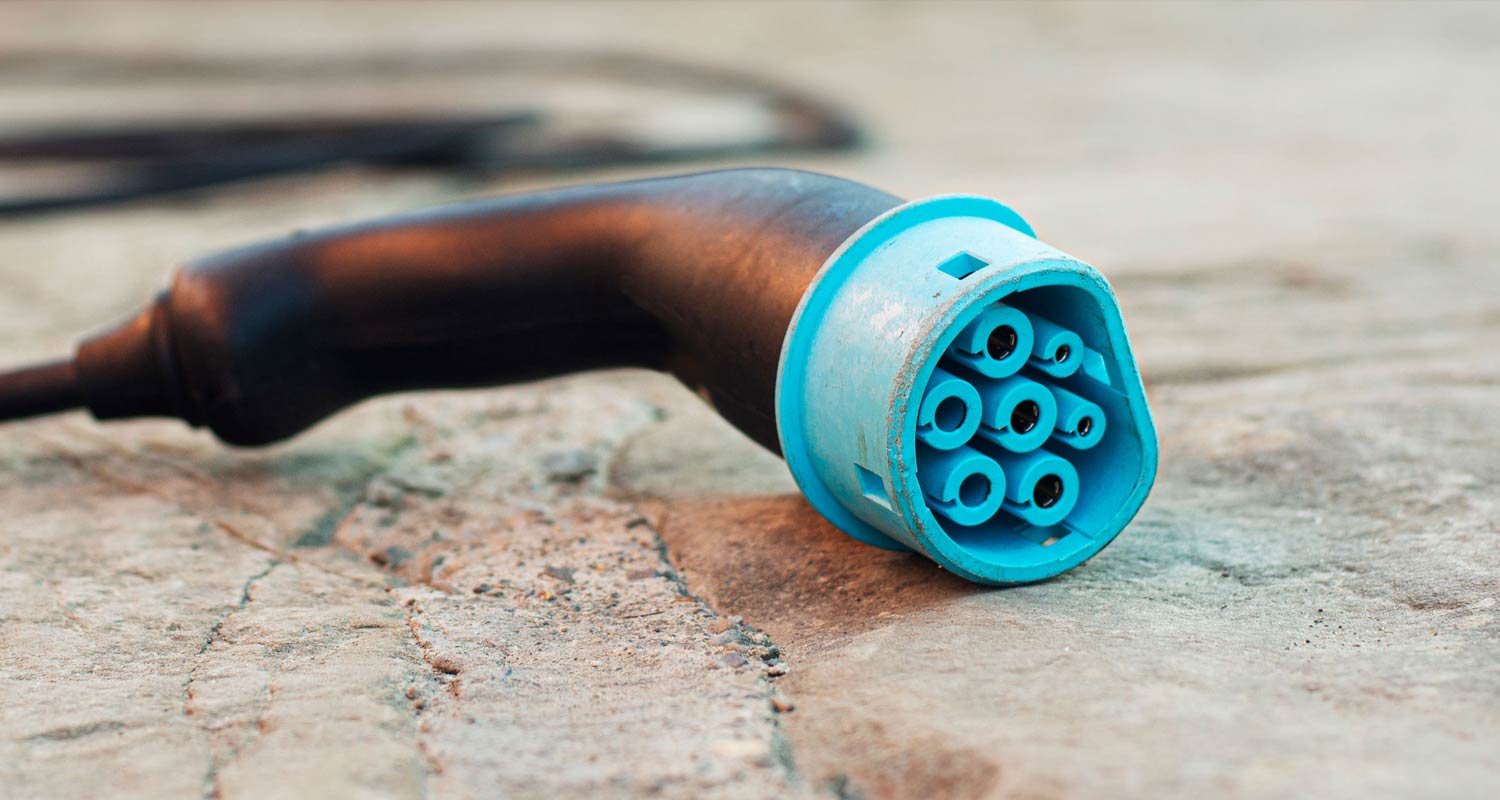
Three in five locally manufactured vehicles are exported to the EU, which plans to ban sales of new combustion engine cars by 2035, though that may slip. At home, the transition is barely under way, with battery-electric vehicles still well below 1% of the new-vehicle market even after sales nearly doubled early in 2026.
Asked what the sector needs from government beyond the 150% tax deduction for NEV production introduced in March 2026, Lamprecht said the allowance was “part of further industry support” under the South African Automotive Masterplan 2035 and a review of the APDP2 production incentive now under way, which he said would “enhance further NEV production”. The industry has also tabled recommendations for demand-side support to “stimulate NEV sales demand”, he added.
Crucially, Morocco is positioning for the electric transition rather than defending its combustion-era industry. Chinese battery maker Gotion High-Tech has broken ground on a gigafactory in Kenitra, Africa’s first, designed to scale to 100GWh, with first output expected in the third quarter of 2026 – part of a wider industrial push that also spans aerospace and a major green hydrogen programme.
South Africa, meanwhile, has spent the period fighting its own infrastructure. Years of Eskom load shedding and the breakdown of Transnet’s freight rail pushed manufacturers into costly self-generation and clogged the ports at Durban and Cape Town – raising landed costs for an industry that exports most of what it builds, just as Morocco’s proximity to Europe and functioning logistics widen its edge.
For now, the gap at the top of the index is fractions of a point, and Naamsa’s message is that South Africa is not surrendering its lead in vehicle manufacturing without a fight. The test, for both countries, is how quickly they can turn combustion-era plants into electric ones. — © 2026 NewsCentral Media

