

Police warnings around unauthorised drone activity during the 2026 Comrades Marathon have renewed attention on South Africa’s drone regulations and growing concerns around compliance.
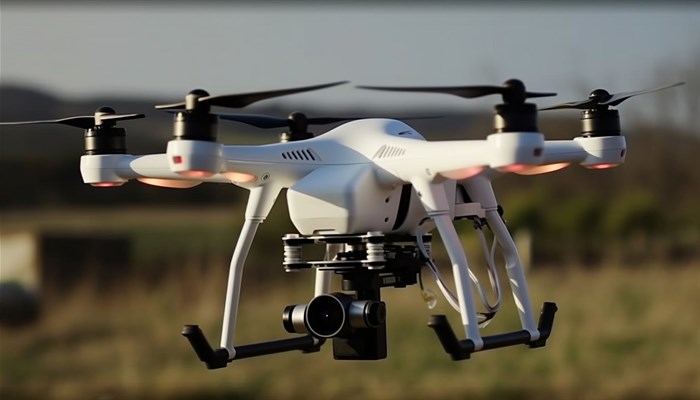
South Africa’s approach to drone regulation came into focus ahead of the 2026 Comrades Marathon after the South African Police Service (SAPS) warned that the entire 86km route would operate as a no-fly zone and that unauthorised drones would be disabled.
The warning, which was later clarified as the use of counter-drone measures rather than physically shooting down drones, was reinforced by the Comrades Marathon Association, which cited aviation law, safety considerations and the need to avoid interference with emergency operations.
According to Cor van Deventer, director at Van Deventer Dowlath and Marx Incorporated, the public messaging around the event highlights broader concerns about compliance with South Africa’s drone regulations.
“When SAPS is prepared to disable drones during a major national event, it underscores that these devices are regulated aircraft. They’re not toys. They carry legal consequences,” he said.
Drone rules extend beyond commercial operators
Van Deventer said drone-related incidents are becoming increasingly common in residential areas, farms and business districts, despite an established regulatory framework.
South Africa’s drone laws fall under the Civil Aviation Act and Part 101 of the Civil Aviation Regulations, with rules applying to most drones outside limited toy-grade exemptions.
Restrictions include:
- No flying within 50 metres of people, buildings, structures, vehicles or public roads.
- No flying over private property without permission.
- No flying within 10km of an airport or airfield.
- No flying at night without approval.
- No flying beyond visual line of sight.
- Maximum altitude of 120 metres.
Van Deventer said one of the most common misconceptions is that lightweight drones are exempt from regulation.
“Many South African hobbyists mistakenly believe that drones under 250g are exempt from all rules, but even sub-250g drones must comply with the 50m rule and privacy requirements.”
He added that once these restrictions are applied, recreational drone use becomes significantly more limited in built-up environments.
Privacy concerns remain part of the debate
The statement also points to privacy risks linked to drone usage.
According to Van Deventer, capturing identifiable individuals or private property without consent could create exposure under the Protection of Personal Information Act (POPIA), depending on the circumstances and use of the footage.
He said complaints increasingly involve flights near residential estates and public areas where questions around privacy, line-of-sight operation and property boundaries emerge.
Only authorised authorities may disable drones
The public discussion around the Comrades restrictions also prompted questions about whether members of the public can intervene when drones appear to be operating unlawfully.
Van Deventer said private individuals should not attempt to interfere with or disable drones.
“A drone is treated as an aircraft under the law and interfering with an aircraft can carry serious penalties.”
According to the statement, authorised state entities may take action under controlled conditions where public safety or aviation security requirements apply.
Calls for clearer policies and enforcement
Van Deventer said organisations responsible for estates, shared spaces and managed precincts should consider implementing drone-use policies aligned with national regulations.
Recommended measures include limiting operations to accredited operators, introducing liability protections and establishing enforcement procedures.
For members of the public experiencing nuisance or suspected unlawful drone activity, he recommends documenting flight activity, reporting incidents through local governance structures and escalating to SAPS where necessary.
“The South African public needs a clearer understanding of drone law and a willingness by governing bodies to enforce it,” he said.

