

Six months on from the Canal+ takeover, the question is: what kind of company is MultiChoice now?
The official line is that the DStv parent, now owned by France’s Groupe Canal+, remains a focused African video entertainment business, backed by the scale and capital of a global pay-television operator. The combined group serves more than 40 million subscribers across close to 70 countries, with a workforce of about 17 000.
The reality is messier.
Price freeze
What was once an integrated platform spanning linear pay television, streaming, sports rights, technology and content production is being reorganised into something quite different – and the man doing the reorganising is a French telecommunications engineer whose intellectual frame of reference is Canal+ Africa, not the Randburg of the Naspers era.
Let’s start with the core.
Read: DStv’s high entry price is killing subscriber growth, says Canal+
DStv’s linear satellite product, which still generates the bulk of subscription revenue, is in managed decline in the premium tier and under genuine pressure in the mid-market. The scale of the bleed is a matter of public record: MultiChoice lost 2.8 million linear subscribers in the two years to 31 March 2025, with about half coming from South Africa alone.
The price freeze announced earlier this year – and first reported by TechCentral – is instructive.
CEO David Mignot was disarmingly direct about the calculation: “I want to give a clear answer, because we are building subscribers, so it’s not exactly the right timing to increase pricing.”
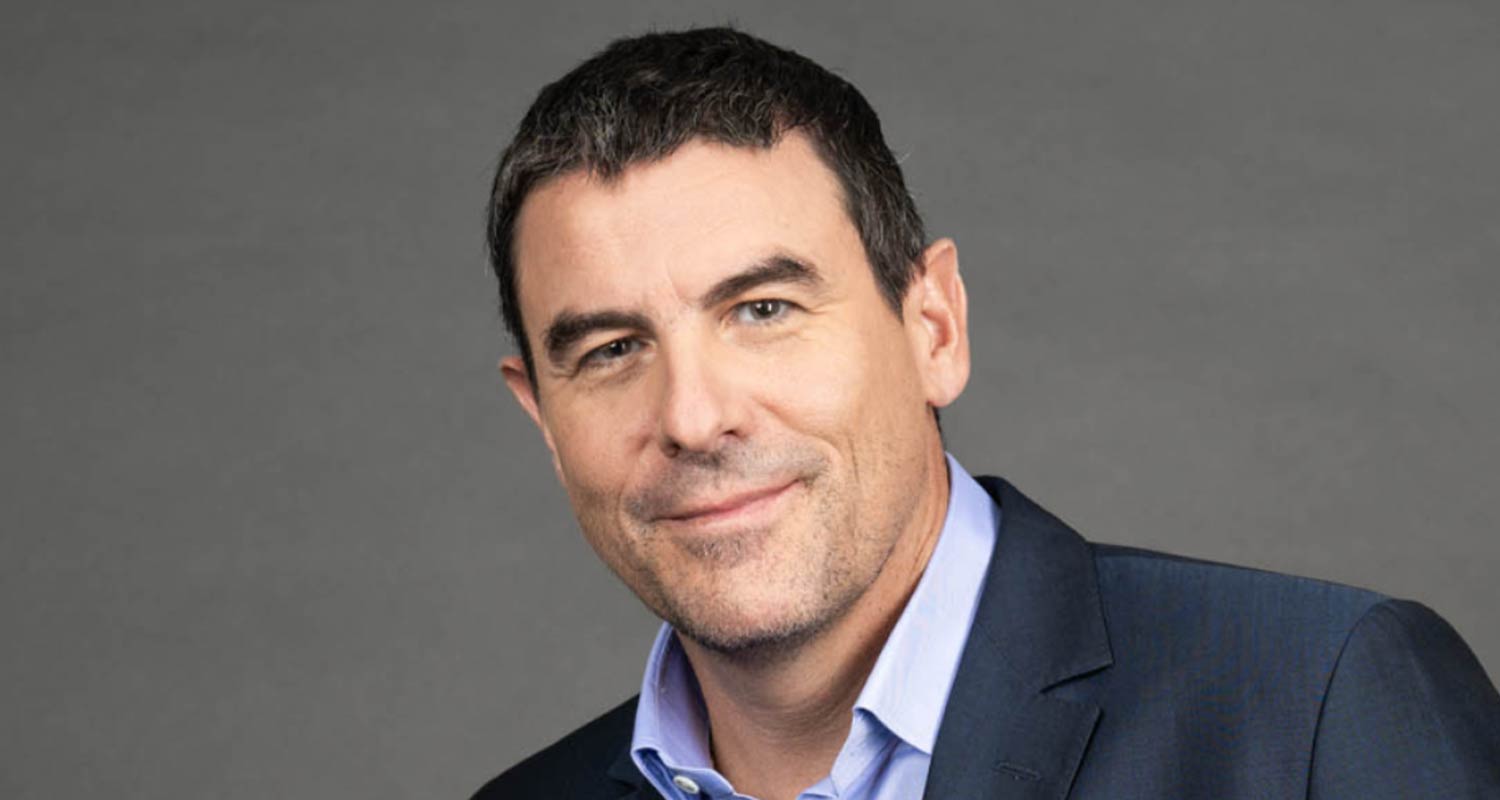
His diagnosis of the underlying problem is worth sitting with. The content, he told TechCentral in a recent interview, is “fantastic” – the depth of SuperSport, M-Net and Africa Magic is “incredible”, he said. What has broken is the commercial engine, and only recently. “This commercial engine used to be super powerful, not only in South Africa but in all of Africa, up to like 2022.”
The template Mignot is reaching for is francophone Africa. “On the French-speaking side of Africa, the pricing structure we have today has been exactly the same for almost 14 years now,” he said. Whether a volume-driven, price-stable model can be retrofitted onto a South African subscriber base that has been conditioned to expect annual above-inflation increases – and whose top end has already substituted away – is the experiment now under way.
Subscribers in the upper segments continue to drift towards a combination of fibre, Netflix, Disney+, Apple TV, Prime Video and free, ad-supported streaming services like YouTube.
Showmax’s failure is one of the most interesting parts of the story. Rebuilt on an NBCUniversal technology stack and pitched as MultiChoice’s answer to Netflix, it is being retired at the end of April because the economics simply did not work.
Mignot’s verdict, delivered in the same TechCentral interview, was blunt: “Financially speaking, business-wise speaking, the thing is not flying.” Showmax’s losses were a major contributor to MultiChoice’s trading profit plunging 49% to R4-billion in the 2025 financial year.
What will replace it is a streaming proposition more tightly integrated with Canal+’s global infrastructure, modelled on a Canal+ app that aggregates Netflix, Paramount, HBO and Apple TV.
The SuperSport advantage
Then there’s SuperSport, which is increasingly the only part of the business with genuine pricing power. So long as MultiChoice holds the rights to the Premier League football and major local and international rugby and cricket tournaments that sports-mad South African viewers will pay handsomely to access, the linear pay-TV bundle has a floor.
But the cost of sports rights tends to inflate faster than subscription revenue, and the global trend – streamers such as Amazon and Apple moving into live sport – suggests that floor is not as solid as it might appear. The day a major rights package goes to a streaming-first bidder is the day the DStv business model breaks down.
Read: R99 DStv deal to keep Showmax subscribers from bolting
The Canal+ relationship complicates rather than clarifies all of this. The French parent has its own strategic priorities, its own platform technology and its own view of where African pay TV is heading. Decisions that were once made in Randburg with reference to South African market dynamics are now made, or at least ratified, in Paris with reference to a much larger and more complicated strategic map. The centre of gravity has shifted.
A big question now is whether the combined entity is worth more than the sum of its parts, or less.
The Canal+ deal was sold based on synergies, scale advantages in content acquisition and a stronger competitive position against the global streamers. Some of that has materialised.
The group is targeting €250-million in synergies across the combined business, with cost savings rising to €400-million by 2030. On the cost side, this has produced the predictable consolidation of duplicated functions, along with voluntary severances – constrained by a three-year moratorium on retrenchments that was a condition of the takeover.
What has not yet appeared is the revenue growth story that would justify the strategic logic of the transaction. Until it does, MultiChoice trades less as a growth business and more as a yield play with structural headwinds.
For customers, the question is simple: are the DStv bundles still worth the money? For rabid sports fans, yes – for now. For everyone else, the calculation is more difficult.
The honest answer to what MultiChoice is now, then, is this: a company in transition, with a defensible core in sports, a contested middle in streaming and a declining but still cash-generative satellite business that funds the rest.
Whether that is a sustainable equilibrium or merely a way station to something smaller and more focused will become clear in the next couple of years. The newly installed executive team led by Mignot and Canal+’s group CEO, Maxime Saada, knows this as well as anyone. – © 2026 NewsCentral Media
- The author, Duncan McLeod, is editor of TechCentral
Get breaking news from TechCentral on WhatsApp. Sign up here.

