

As Chinese car manufacturers rapidly expand their presence in South Africa, scrutiny is growing over the nature of their investments – and whether they are delivering meaningful gains in jobs, skills development and local value-chain participation.
There is a distinct shift in the country’s automotive investment landscape – from established Western and Japanese manufacturers anchored in high-volume, export-orientated production to fast-growing Chinese brands, which prioritise market penetration and price competitiveness, with a gradual move towards local assembly and electric vehicles.
Government is concerned about the impact of low-cost Chinese and Indian vehicle imports, as well as low overall vehicle production. The department of trade, industry & competition announced on Tuesday that it will present measures by the end of February to boost local vehicle production. These will include a review of luxury taxes on imported cars and import tariffs.
It is reviewing automotive policy to address challenges related to tighter emissions standards, changing trade dynamics, the global shift to electric and hybrid vehicles, and rising competition from low-cost imports.
As localisation gains prominence, government is also engaging with its Chinese counterparts on expanding local manufacturing.
Greg Cress, principal director of automotive and e-mobility at Accenture in Africa, told TechCentral that while current market conditions are not conducive for a new original equipment manufacturer (OEM) to enter South Africa easily, the country is seeing strong signs of interest.
Risk
“There is still a lot of risk on the side of the OEMs in scaling up production fast enough to realise the returns needed to make this a slam-dunk investment. Mass production relies on export volumes, so a greenfields Chinese OEM would need guarantees of off-taker supply to Europe – and likely within Africa as well – in order to proceed,” he said.
Cress said Chinese manufacturers are also dealing with a number of structural barriers that make it difficult to commit to deep, long-term manufacturing investment in South Africa.
While the country’s energy supply appears to have “stabilised” at a surface level, improved security around energy generation, as well as ports and logistics operations, is still required for more foreign OEMs to consider South Africa viable.
Read: iCAUR to launch in South Africa with 20-dealer network
Last week, China’s Chery announced it had agreed to acquire Nissan’s manufacturing assets in Rosslyn, Pretoria. Under the deal, Chery SA will acquire the land, buildings and associated facilities, including the adjacent stamping plant, in mid-2026. The majority of Nissan’s Rosslyn workforce will also be offered employment by Chery SA on substantially similar terms.
Cress said the “brownfield” strategy allows Chery to test the feasibility of scaling up production without first taking on the capital burden of building a greenfield plant.

Mikel Mabasa, president of Naamsa (the Automotive Business Council), told TechCentral that many Chinese manufacturers are challenging legacy manufacturers in global rankings.
As a result of intense price competition in the Chinese domestic market, more manufacturers are exporting to increase sales, while simultaneously investing in factories in strategic locations to avoid penalties imposed by the EU and other regions on vehicle exports directly from China.
Mabasa cited BAIC’s investment in Coega in the Eastern Cape as an example, noting that it was, at the time, the largest automotive investment in South Africa at R11-billion.
He believes domestic sales volumes will ultimately determine the feasibility of further investment in South Africa. This includes access to benefits under the Amended Automotive Production and Development Programme phase 2 (APDP2) and the Automotive Investment Scheme, which provide tangible financial, operational and strategic incentives for vehicle manufacturers and component suppliers.
Additional benefits include savings on import duties and logistics costs, as well as potential duty-free access to major markets such as the EU via exports from South Africa.
Cress agreed that export access is critical for any OEM to achieve the economies of scale needed to qualify for production certificate rebates under APDP2 and make operations economically viable.
Top priority
He said exports to European markets are particularly vital for Chinese OEMs, making this a top priority – especially to meet stringent requirements related to EV technology, sustainable sourcing practices and carbon border adjustment mechanism rules of origin. To make the manufacturing model viable, a minimum threshold of at least 50 000 units per year, with significant local content of at least 60%, would need to be met.
The prevailing view is that existing incentive structures favour long-established manufacturers in South Africa and are far less attractive to new entrants.
Localisation thresholds are therefore a decisive factor in shaping how far Chinese OEMs are willing to invest – and whether they remain at semi-knocked down (SKD) assembly or transition to completely knocked-down (CKD) production with deeper local value addition.
Read: Chery to take over Nissan’s historic Rosslyn plant
SKD refers to vehicles arriving in partially assembled form, while CKD involves all parts being shipped separately and assembled locally.
Accenture’s Cress said one possible solution would be a tiered ramp-up of production volumes over several years, allowing new OEMs to achieve APDP2 benefits by meeting progressively higher volume milestones. Similarly, setting a more realistic local content target of around 30-40% could help stimulate further investment.
He added that a time-bound SKD-to-CKD transition could make localisation more achievable for new entrants while increasing local employment.
Mabasa said that although South Africa’s domestic market alone is not large enough to support full-scale investments, a key pillar of the South African Automotive Masterplan 2035 is local market optimisation. This includes addressing excessive taxes on new vehicles to stimulate demand. An official review of the masterplan is scheduled for this year.
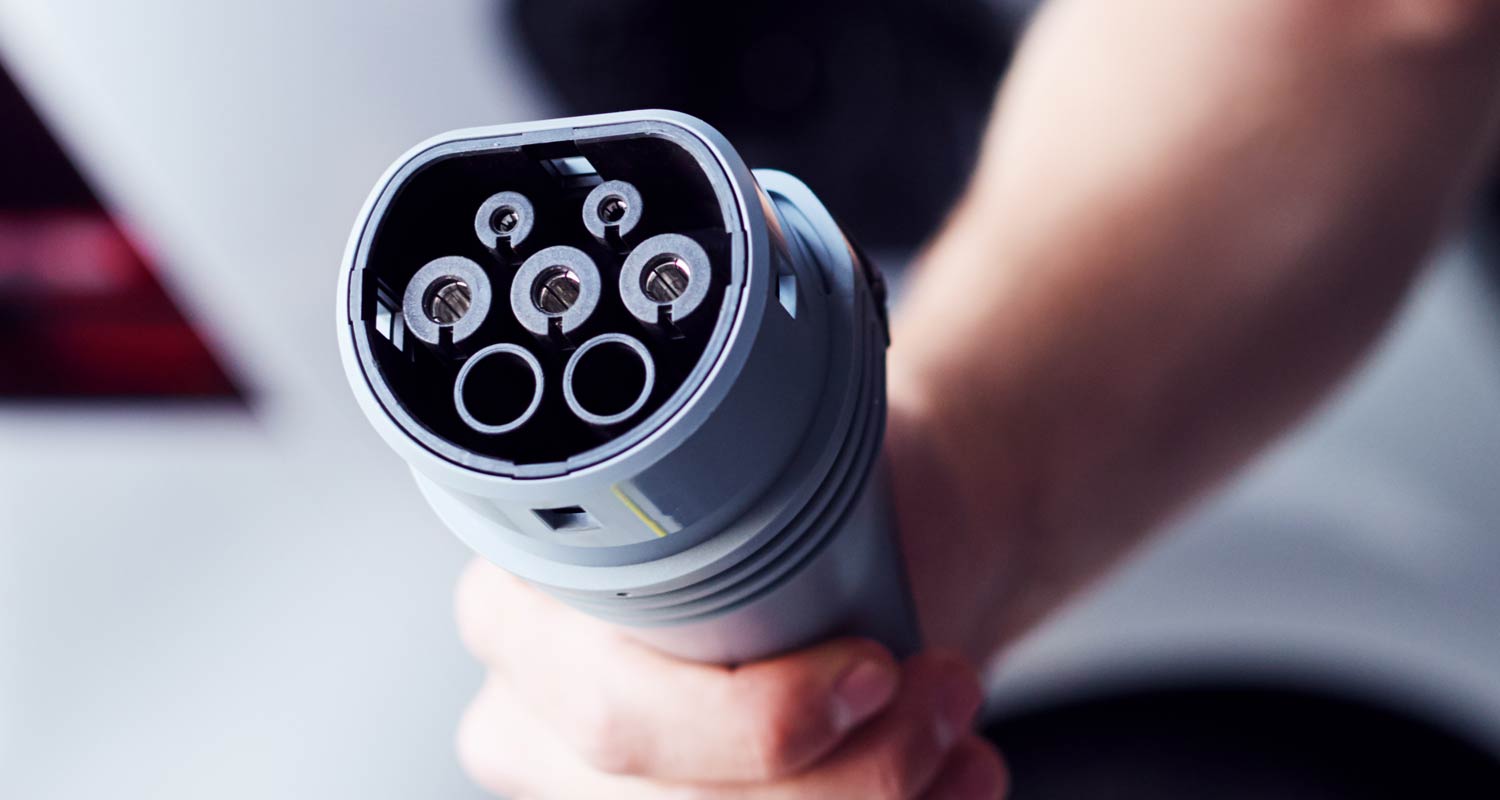
While some Chinese companies, such as BYD, are leading investments – including in EV charging infrastructure – local EV production by Chinese manufacturers may increase when a 150% tax deduction on investment in new machinery, buildings and plants comes into effect on 1 March.
Cress said South Africa’s “generally laggard pace” in promoting new energy vehicle (NEV) adoption through consumer-side tax rebates or incentives has, until now, been a significant deterrent for Chinese OEMs considering local manufacturing.
“Instead, we’ve seen Chinese OEMs rapidly ramp up import strategies to assess customer demand for their high-tech products before committing to build locally,” he said.
“The response has been overwhelmingly positive, with several Chinese OEMs cracking the top 10 by market share in South Africa during 2025. This trend shows no sign of slowing, with many mid-segment SUV buyers in the R400 000 to R700 000 range likely to first consider Chinese NEV options ahead of traditional legacy brands.
More needed
“This may be a strong enough trend for Chinese OEMs to reconsider their NEV manufacturing plans for South Africa in future, especially with the 150% tax rebate,” Cress said.
While South Africa’s automotive sector has long been a manufacturing stronghold, both Cress and Mabasa said more must be done on the policy front to cut bureaucracy, promote economic growth, leverage the African Continental Free Trade Agreement, and offer competitive incentives for infrastructure development and exports.
Other African countries are increasingly eclipsing South Africa through more progressive policy implementation, raising concerns for the domestic automotive industry amid intensifying competition for future NEV investment.
Read: BYD to blanket South Africa with megawatt-scale EV charging network
“The domestic automotive industry’s transition to NEVs is inevitable, and time is of the essence to implement the NEV road map under the EV white paper with additional government support,” Mabasa warned.
“With legislation in the EU and the UK – where over 80% of vehicle exports were destined in 2025 – South Africa cannot afford to lose these markets without devastating consequences for vehicle production and jobs.”
While Chinese OEMs are showing interest in local investment, they are seeking fairer conditions that allow them to compete effectively with established manufacturers.
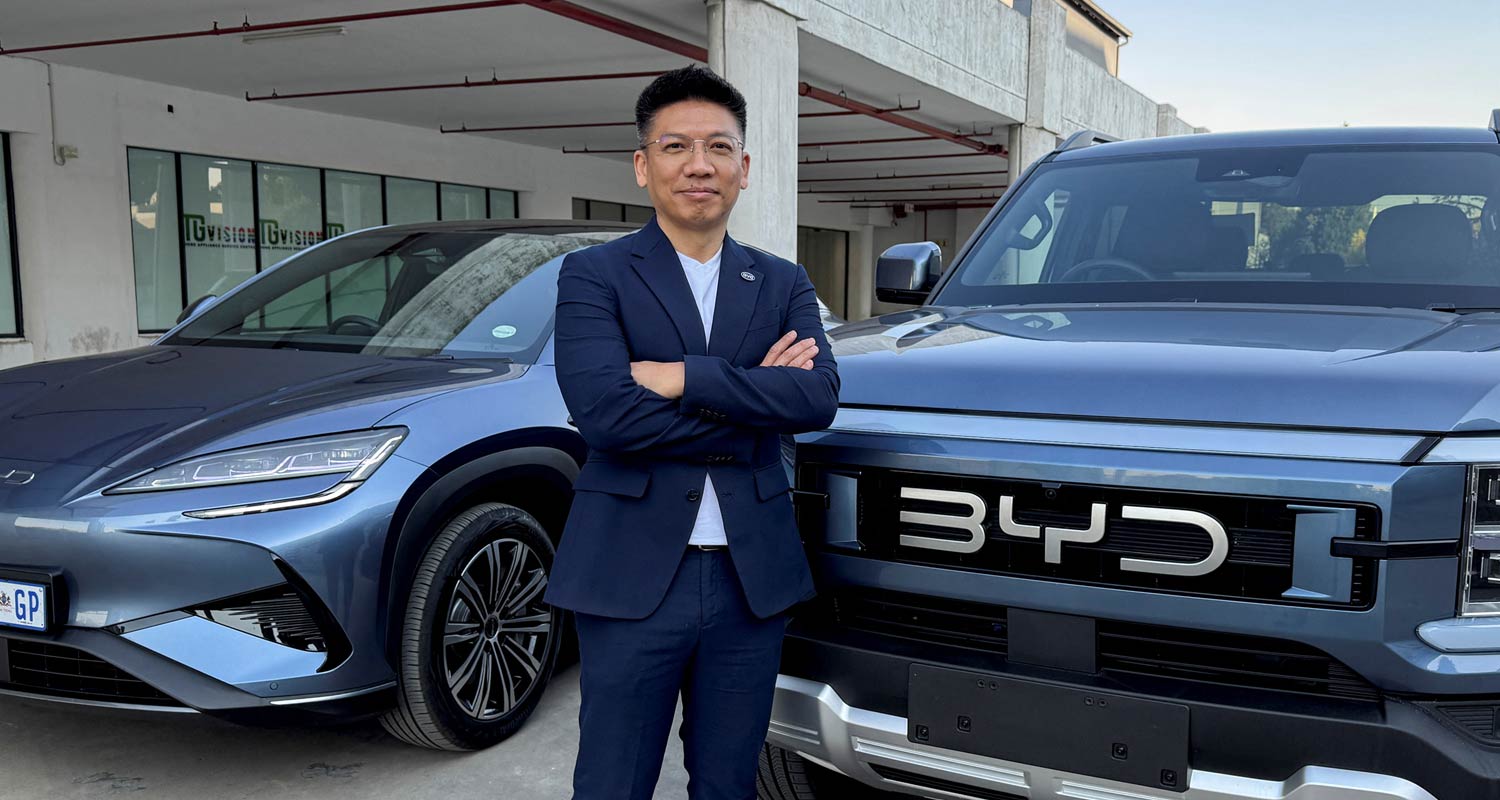
This echoes earlier remarks to TechCentral by Steve Chang, MD of BYD South Africa, who said the company has no immediate plans to build a local factory. Such an investment would only be considered once sales volumes make it viable – which remains some way off. — © 2026 NewsCentral Media
Get breaking news from TechCentral on WhatsApp. Sign up here.

